After 18 months of paperwork, silence and uncertainty, our South African permanent residency application finally reached an outcome. At least, one part of it did.
Rob received his permanent residence permit. James was still waiting, even though we applied together as a couple and submitted our documents at the same appointment. Our experience shows how confusing the process can be, especially when two linked applications move through the system separately.
Here is what happened, what permanent residency cost us, what we learned and what we still needed to do next.
Why we applied for permanent residency
We own a home just outside Cape Town and want the freedom to spend longer periods in South Africa. Visitor status limits how long we can stay, so it did not fit our longer-term plan to divide our time between the UK and South Africa.
We considered a temporary retirement visa. It would have been quicker and easier, but it would need renewing after several years. Permanent residency involved more paperwork and a much longer wait, but it offered a lasting right to live in South Africa.
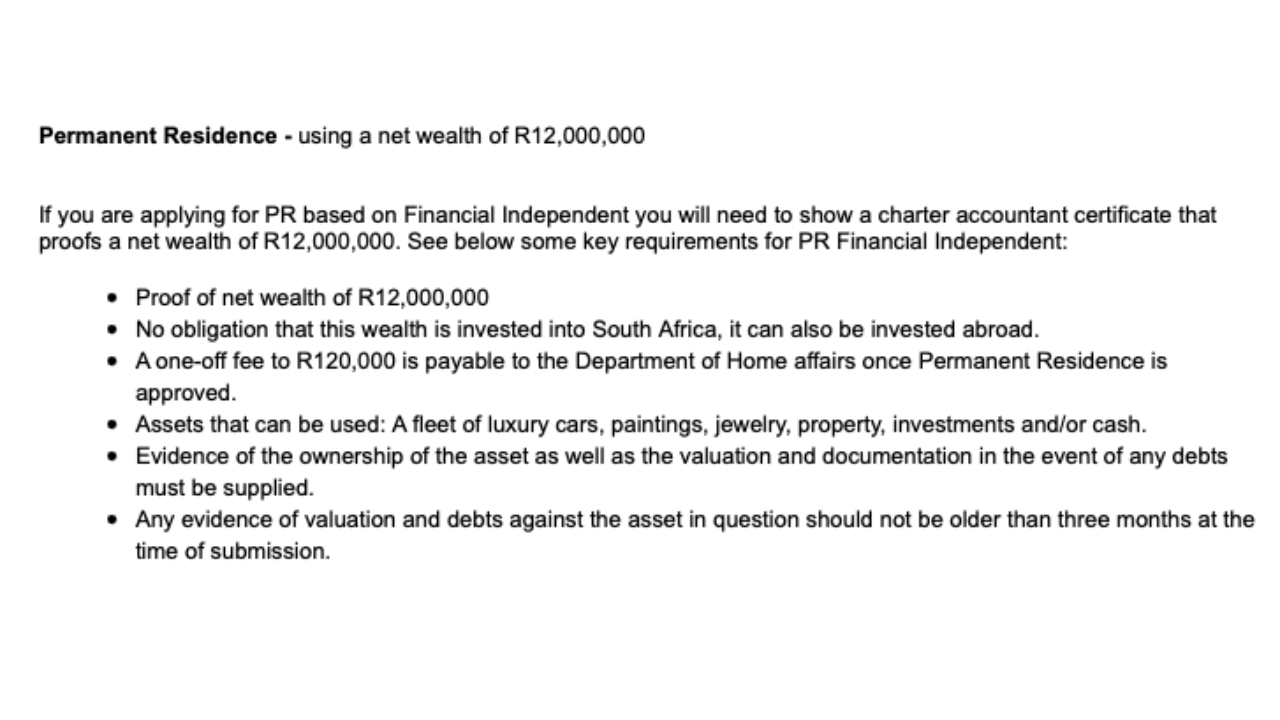
We therefore applied under the financially independent category. This required evidence of assets worth at least R12 million, which could include property, pensions, savings and other qualifying assets.
The paperwork was only the beginning
We started preparing the application in mid-2024. As we were not married at the time, we also needed to prove that we had been in a genuine relationship for at least five years.
That meant finding old bills, bank statements, travel bookings, shared addresses and other records showing that we had built a life together. It is surprising how difficult it can be to prove ordinary daily life several years later.
We used Intergate, a visa consultancy, to help us prepare the application. Their support added to the cost, but the requirements were detailed. Medical reports, police clearances, certified documents and financial evidence all had to meet the correct format. One missing or incorrectly prepared document could have delayed the application or led to a refusal.
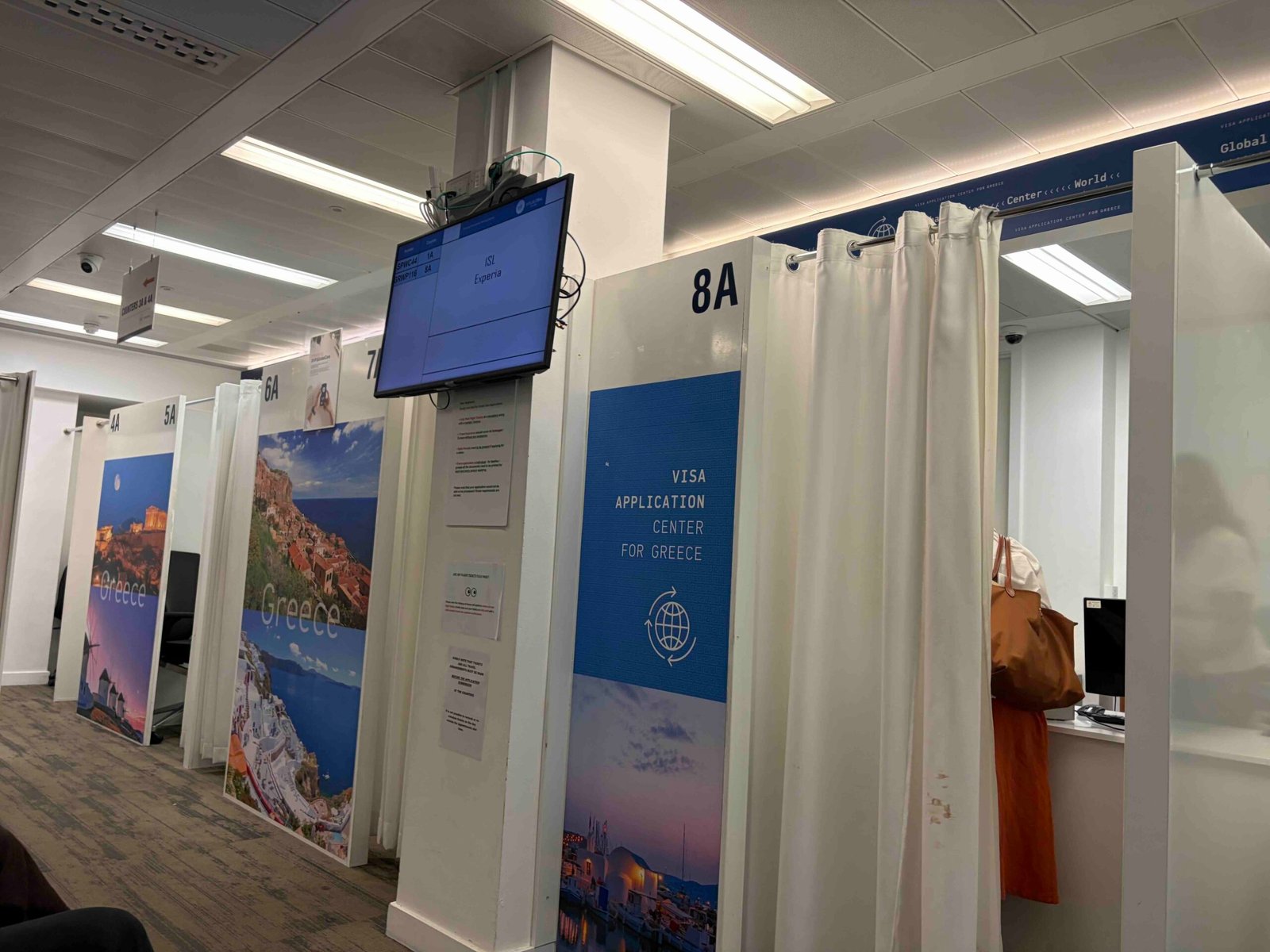
In November 2024, we submitted everything through VFS Global in London.
Then the application disappeared from view
Once VFS accepted the documents, useful tracking stopped. There was no online page showing who had the application, where it was or how far it had progressed.
In February 2025, the South African High Commission told us that the application had left London for Pretoria. We had applied in November, so it appeared to have waited several months before being sent to South Africa as part of a batch.
We then heard almost nothing for more than a year. In March 2026, the Department of Home Affairs asked for updated financial information, contact details and proof of address. We had moved home, Rob had moved his pension and some account details had changed, so we had to update a large part of the evidence.
The approval email went into spam
In May 2026, an email arrived confirming that Rob’s application had been approved, subject to payment of the financially independent permit fee.
The fee was R120,000, and it had to reach the Department of Home Affairs within 14 days. The email went into Rob’s spam folder and sat there for five days. By the time he found it, only nine days remained.
Sending that amount from the UK created another worry. International payments can be delayed by bank checks, currency conversion and security reviews. We also wanted to be certain that the request was genuine before transferring a large sum overseas.
We checked the letter, bank details and official contacts. The account was genuine, so we made the payment. Even then, there was no immediate receipt from Home Affairs confirming that the money had arrived.
Our joint application was not processed jointly
At this point, we assumed Rob’s approval covered us both. Rob was the main applicant and James had applied as his partner within the same family application.
The replies we received did not answer the question clearly. We kept asking whether James had also been approved, but the wording remained vague.
We eventually learned that the two applications had separate reference numbers and were being decided separately. We had submitted them together, but they were not moving through the system together.
By the end of June, Rob’s positive outcome had reached the South African High Commission in London. James’s application was still in adjudication.
Collection day at VFS London
Several weeks later, VFS contacted Rob to collect the outcome. There was no appointment to book. He had to travel to London and arrive during the collection window.
The wait at VFS took about 15 minutes. Rob received a plain brown envelope containing a covering letter and one A4 sheet of paper. That sheet was his permanent residence permit.
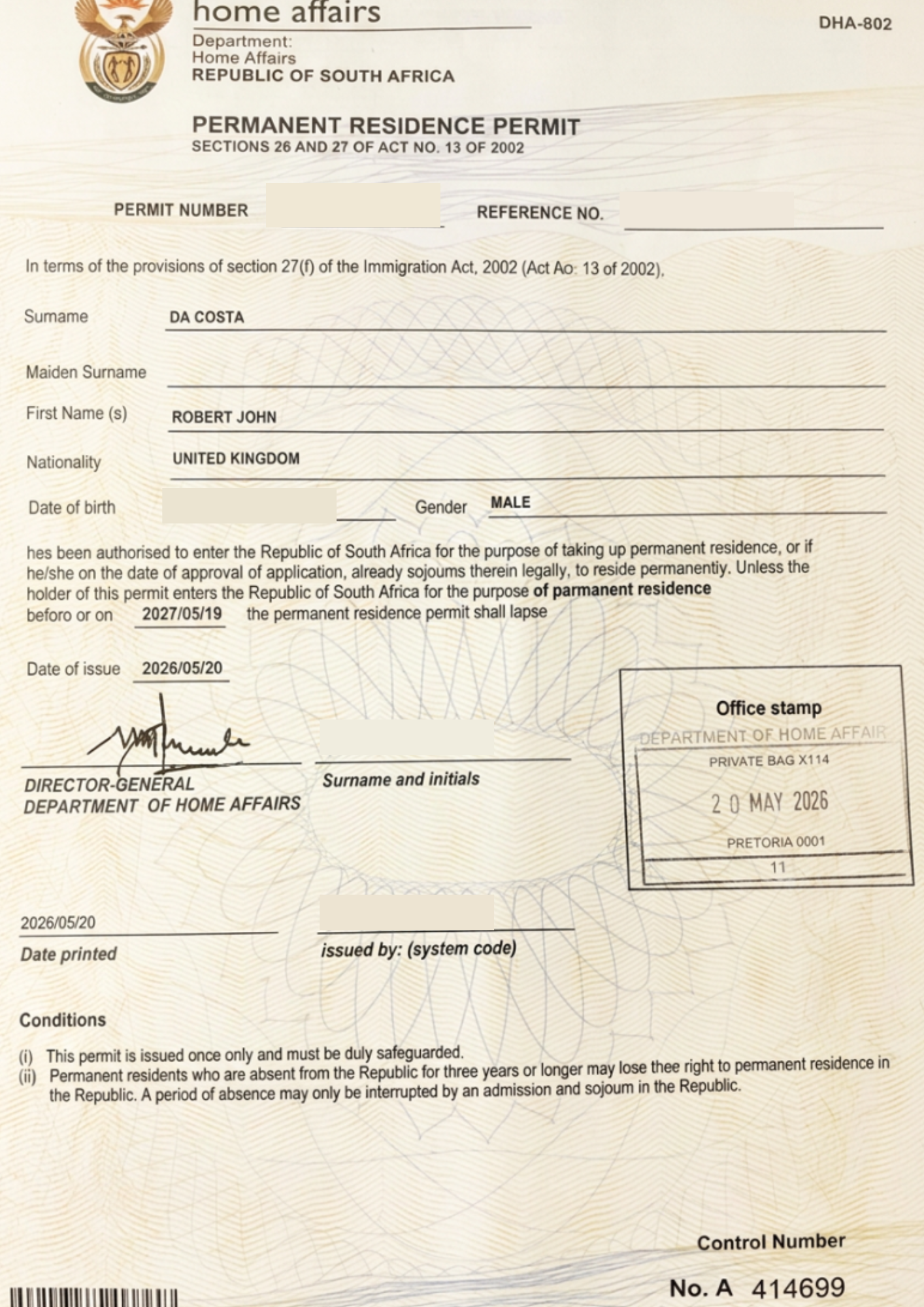
After 18 months, the result looked less substantial than expected. Rob then spent the train journey home checking that the envelope was still safely beside him.
The paper itself matters. It gives Rob the right to live permanently in South Africa without leaving every 90 days because a visitor period has ended.
What happens after approval?
Permanent residency starts another set of tasks. During our next visit to South Africa, Rob plans to apply for a Smart ID card. The South African identity number will make it easier to deal with banks, tax, insurance, vehicle registration and mobile phone providers.
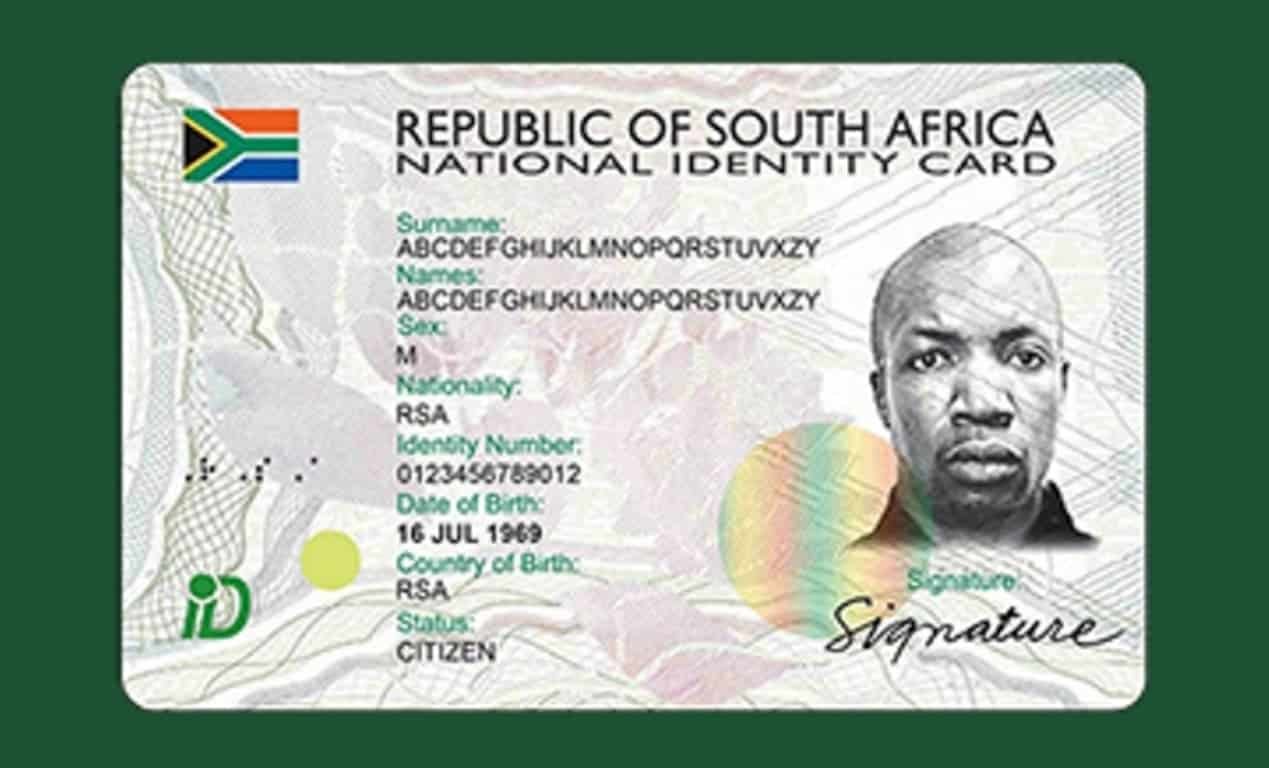
He will also need to change his non-resident bank account to resident status and convert his British driving licence within the permitted period. The Smart ID needs to come first because the driving licence conversion requires South African identification.
What we learned from the process
- Check your spam folder every day. Our most important email sat there for five days, reducing a 14-day payment deadline to nine days.
- Keep copies of everything. Save application numbers, documents, emails, payment records and courier information.
- Expect to update your evidence. Your address, finances or contact details may change during a long application.
- Do not assume linked applications will finish together. Each person may have a separate reference number, decision and collection date.
- Allow time for international payments. A short deadline can become stressful when banks carry out additional checks.
- Follow up politely and persistently. We collected several email addresses and kept a record of who replied.
- Plan for more administration after approval. The permit is followed by ID, banking and driving licence tasks.
Where things stood when we recorded the video
Rob had received his permanent residence permit. James’s application had reached an outcome and had been dispatched to London, but the authorities would not confirm whether the decision was positive or negative by email.
That meant another journey to VFS and another brown envelope before we could say whether both applications had succeeded.
Watch the full video about our South African permanent residency experience on YouTube.
Have you applied for South African residency or another long-term visa? How long did your application take, and did you receive clear updates? Share your experience in the comments, because it may help someone going through the same process.