Cape Town is one of those cities that can look wonderfully simple when you plan it from home. Table Mountain dominates the skyline, the beaches appear close to the centre, and the main attractions seem to sit within easy reach of one another.
We have been visiting Cape Town for more than twelve years and eventually bought a home here. During that time, we have learnt that a good first trip depends less on fitting everything in and more on making a few practical decisions well. These are the seven mistakes we think first time visitors should avoid.
1. Choosing accommodation for the view or price alone
Cape Town has no shortage of apartments with dramatic mountain or ocean views. You may also find rooms outside the central neighbourhoods that appear far cheaper than places in Sea Point, Green Point or near the Waterfront.
The nightly rate, however, tells you very little about the true cost of the stay. If you need a taxi every morning and evening, the saving can disappear quickly. You may also lose the freedom to walk out for dinner, pop into a supermarket or return to your accommodation during the day.
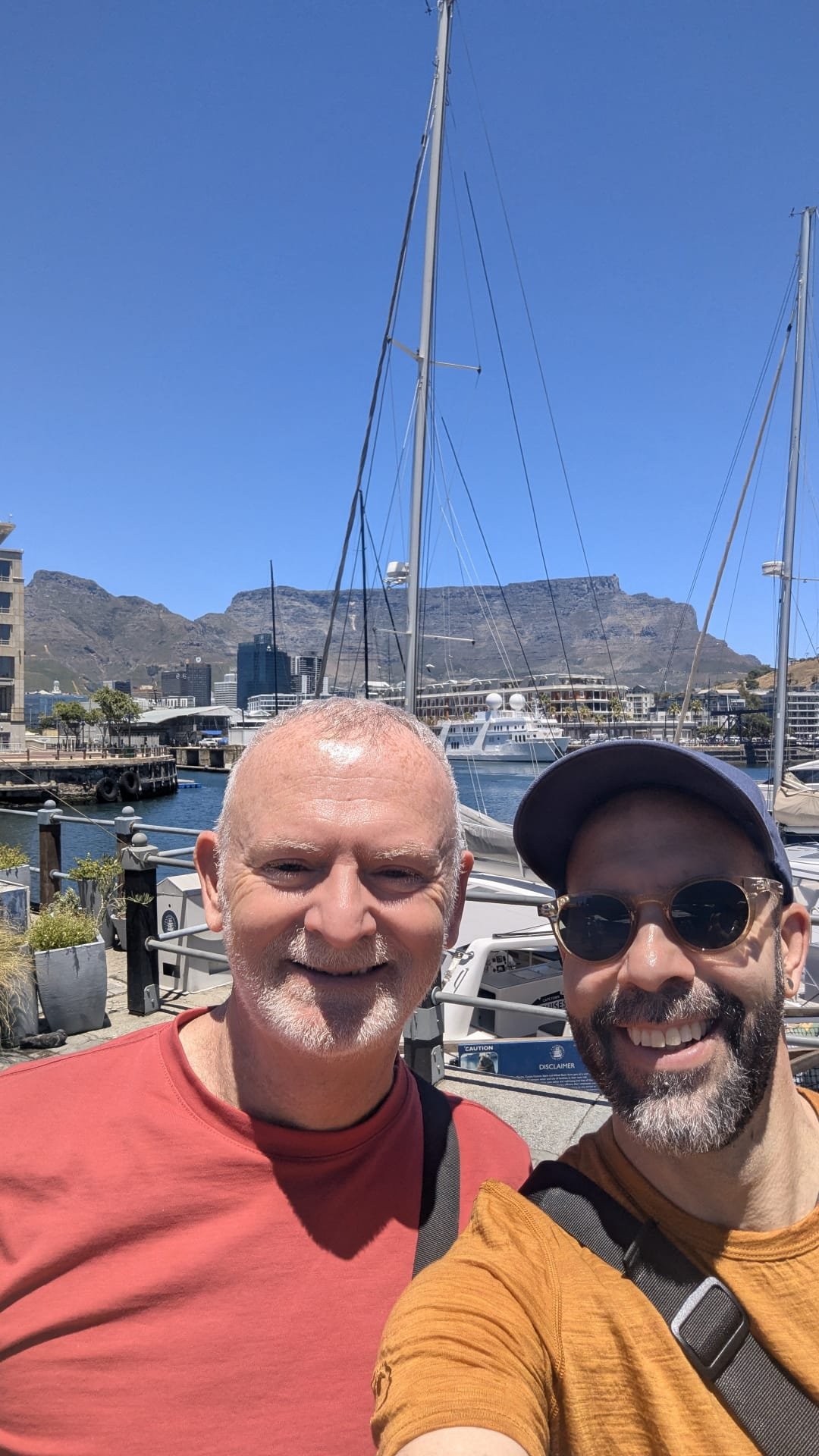
The Waterfront is convenient for a first visit, with restaurants, shops and many attractions nearby. It can feel tourist focused and prices are often higher. Sea Point gives you supermarkets, restaurants, the promenade and more of a residential atmosphere. Green Point offers easy access to both Sea Point and the Waterfront.
Choose your base according to what you plan to do most often and how you expect to travel. A practical location may cost more per night while making the whole holiday cheaper and easier.
2. Underestimating Cape Town’s geography
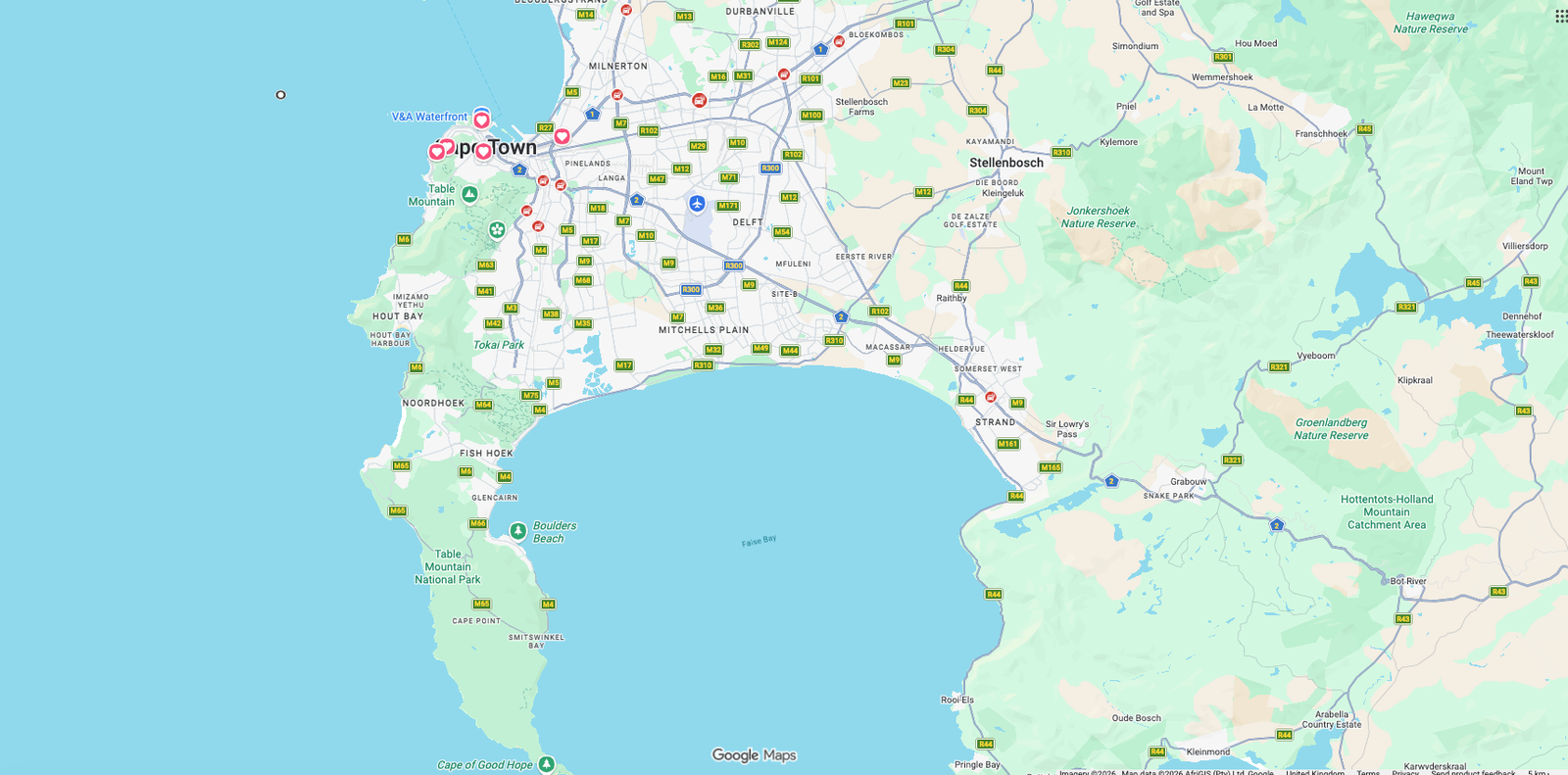
Cape Town is more spread out than many first time visitors expect. Table Mountain, Camps Bay, Constantia, Kalk Bay, Boulders Beach and Cape Point may appear to occupy one manageable area. The mountain and coastline mean the actual routes are longer than they look.
A plan that includes Table Mountain in the morning, lunch at the Waterfront, Boulders Beach in the afternoon and sunset at Camps Bay sounds impressive. In practice, you could spend much of the day in traffic or watching the clock.
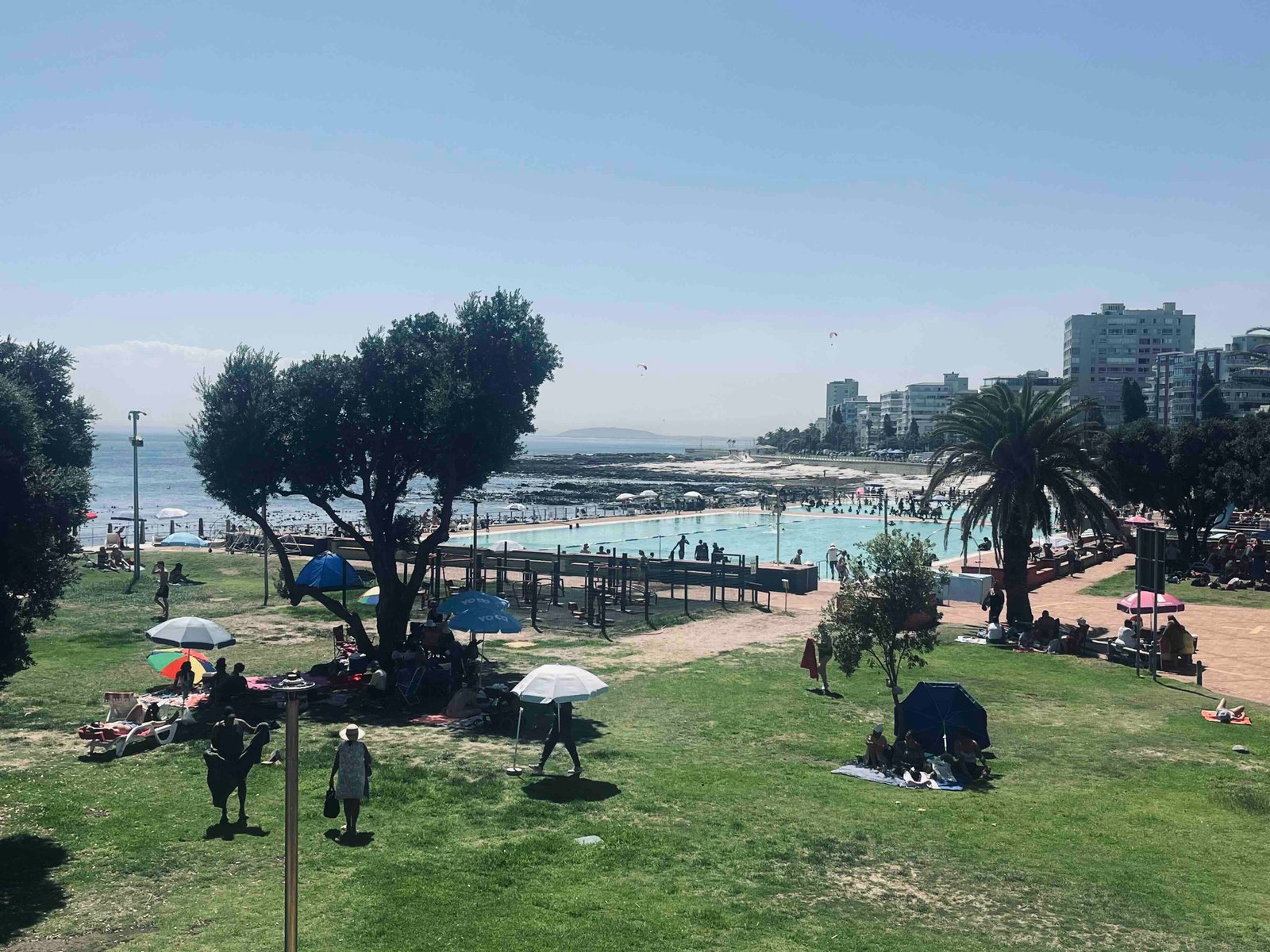
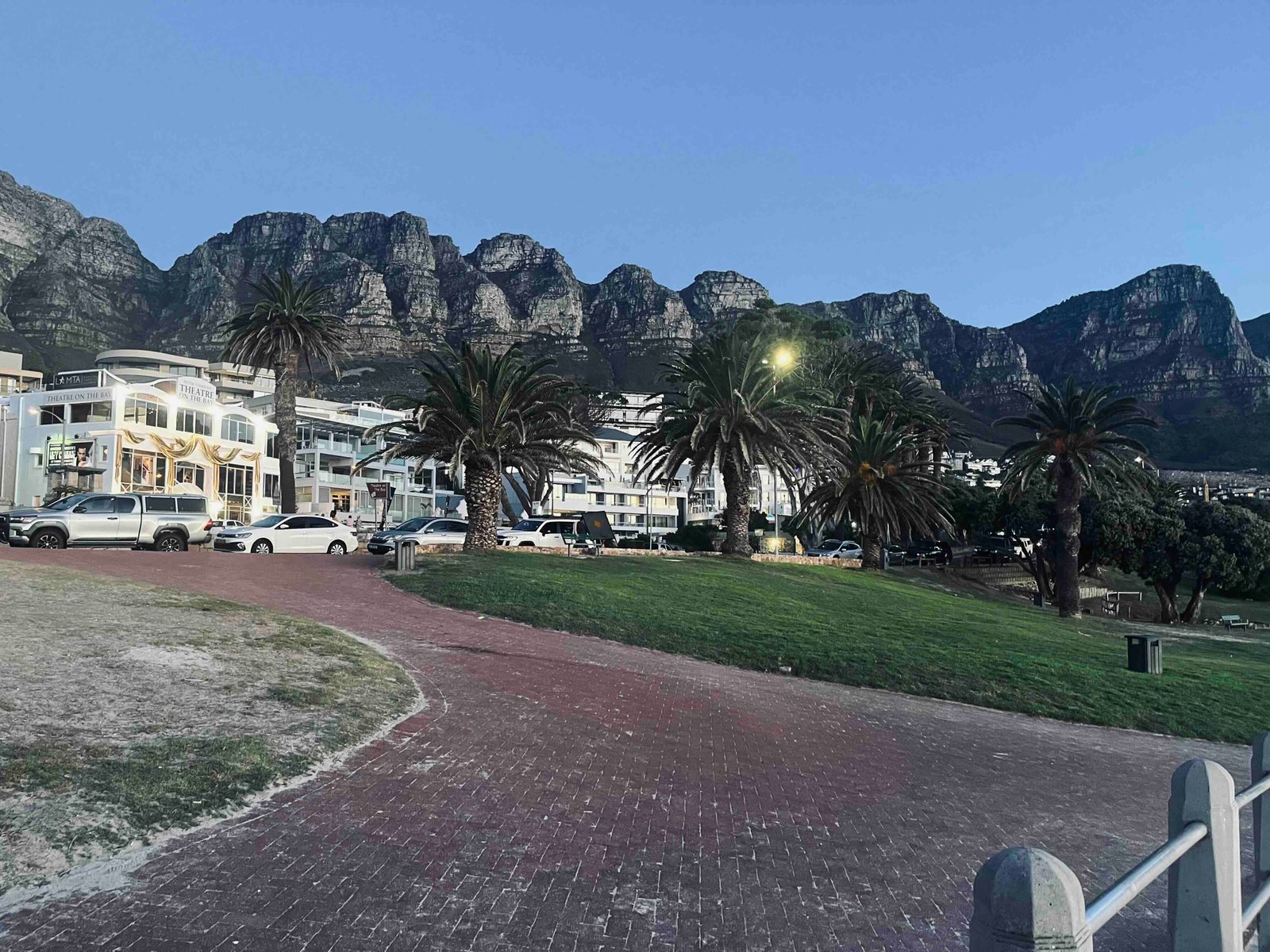
Group your plans by area. Kalk Bay, Simon’s Town, Boulders Beach and Cape Point fit naturally into a peninsula day. Constantia and Kirstenbosch work well together. Sea Point, Green Point and the Waterfront can form another group. Camps Bay and Clifton belong with an Atlantic Seaboard day.
3. Using one transport choice for the whole trip
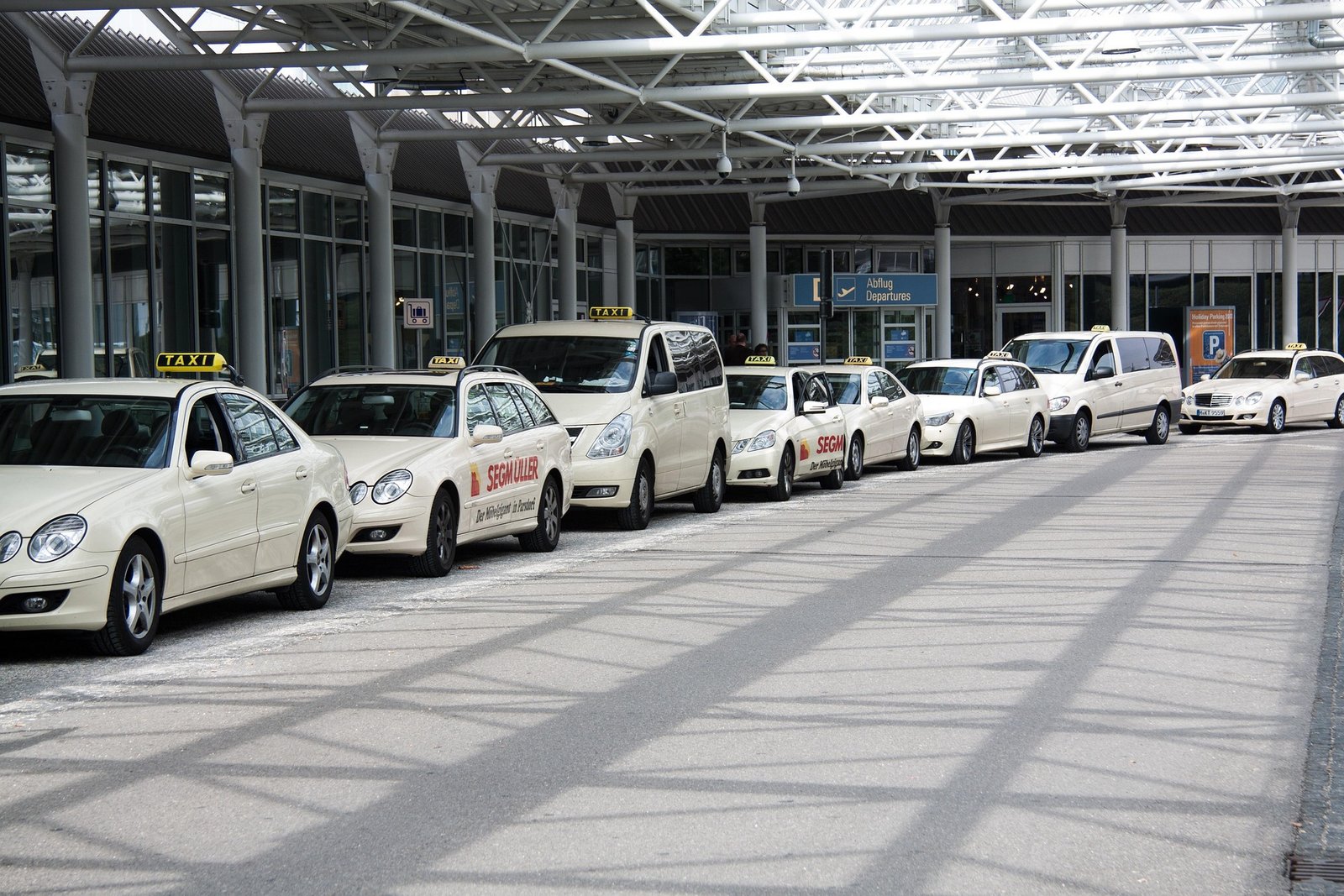
There is no single transport answer that works for every Cape Town itinerary. Hiring a car for your entire stay can create unnecessary parking and navigation problems. Depending on taxis for every journey can become costly when you travel further from the centre.
If you stay in Sea Point, Green Point or near the Waterfront, Uber or Bolt can be convenient for short city journeys and evenings out. You may not need a car during the first few days.
Plan transport one day at a time. Ask where you are going, what time you will travel and whether you want the freedom to stop or change your plans. You may use a car during the day and choose a taxi for dinner that evening.
4. Treating safety as irrelevant or a reason not to visit
Safety is one of the subjects people ask us about most. Some travellers read frightening reports and decide the entire city is too dangerous. Others arrive and behave as if they can walk anywhere at any time while carrying valuables openly.
Neither response helps. Cape Town has genuine safety concerns, and ignoring them would be dishonest. It is also a major visitor destination where many people, including us, enjoy trouble free trips through sensible planning and awareness.
A restaurant might be only a short walk away, but the route could pass through quiet or unfamiliar streets at night. A short taxi ride may be the wiser choice. Ask your accommodation host or local staff whether a route is suitable for walking after dark.
Do not leave luggage, phones, cameras or bags visible inside a parked car. Avoid displaying expensive jewellery. Stay alert around cash machines. Keep your phone secure when standing near the road.
5. Planning as if the weather will cooperate
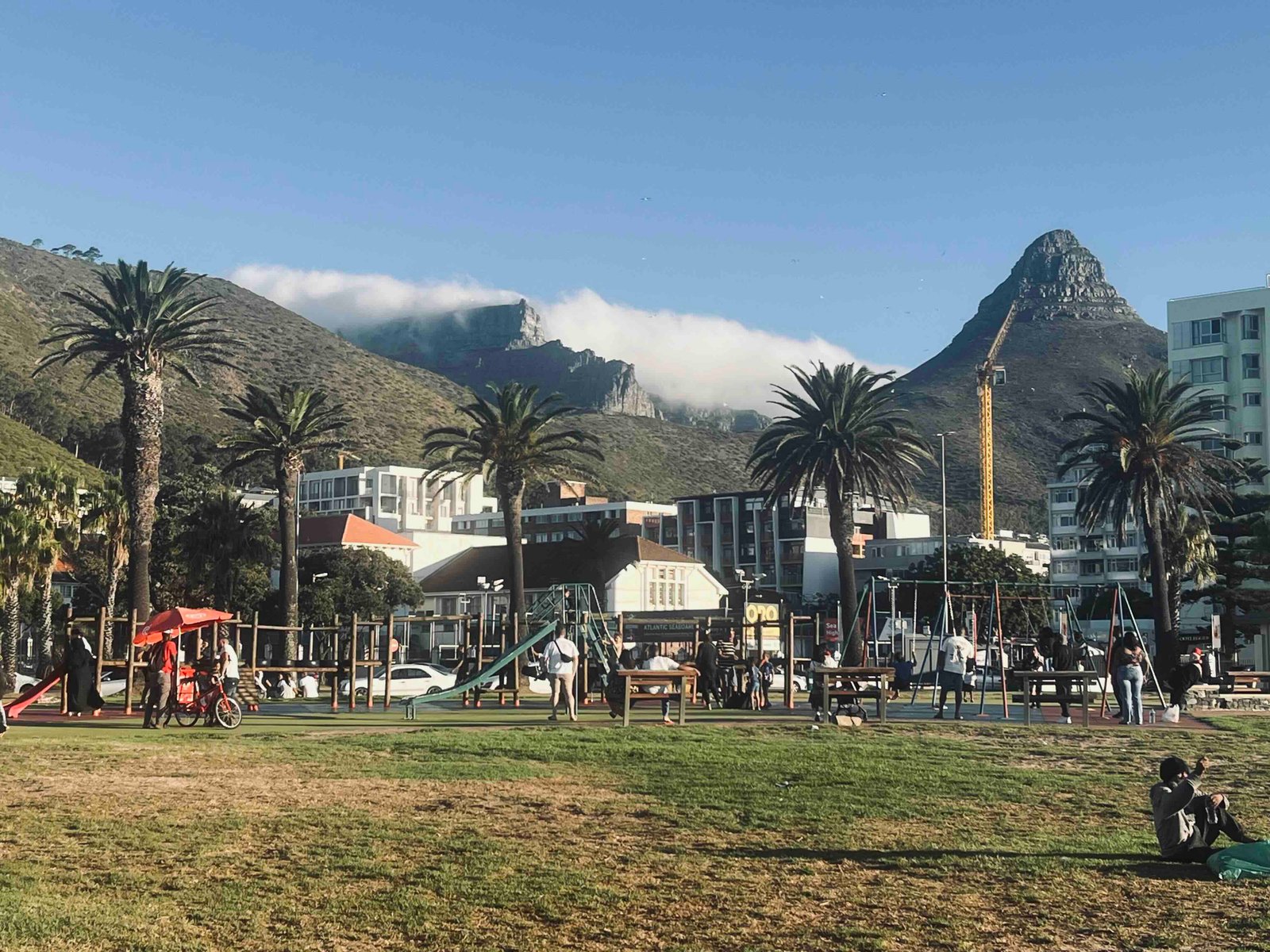
Cape Town weather can change the success of a day within hours. Table Mountain may be completely clear in the morning and hidden by cloud later. Strong wind can close the cableway. A sunny afternoon can become a chilly evening.
Do not leave the experience you care about most until your final day. If Table Mountain is a priority, plan it within your first two or three days and keep enough flexibility to move it when conditions change. Check the cableway information before travelling and book through the official site when appropriate.
December, January and February usually bring long days, warm weather, busy beaches, larger crowds and peak prices. These months can also be very windy. March and April may offer warm conditions with fewer visitors. Winter, from roughly May to August, is generally cooler and wetter, although bright days still occur.
6. Comparing room prices instead of total trip costs
A cheaper apartment does not always create a cheaper holiday. If it sits far from restaurants, shops and attractions, you may pay for extra taxis, more car hire days, fuel, parking and tours. You also lose time that could have been spent enjoying the city.
Before booking, estimate the number of journeys you will make from each possible base. Check whether you can walk to dinner, whether parking is included and whether you will need a car to reach ordinary essentials.
Cape Town may feel good value compared with the United Kingdom in some areas, but an active visitor itinerary still adds up. Restaurant meals, wine tasting, the cableway, guided tours, car hire and day trips can all change the final budget.
For a longer stay or retirement research, convenience matters even more. Think about supermarkets, medical facilities, daily walks and the places you would use regularly. A beautiful view is less helpful if every ordinary errand requires a journey.
7. Trying to see every famous attraction
It is easy to turn a Cape Town holiday into a list of places to complete. Table Mountain, the Waterfront, Camps Bay, Robben Island, Boulders Beach, Cape Point and the Winelands all compete for space.
Trying to fit everything into one trip can leave you exhausted. You may technically visit each location while barely experiencing any of them. It can also keep you inside the best known visitor areas and prevent you from discovering the everyday city.
Choose two or three main priorities, group them geographically and plan one major experience each day. Add one or two nearby stops if time and energy allow. Leave room for lunch, traffic and unexpected discoveries.
Kalk Bay can easily turn from a one hour stop into half a day, with its harbour, independent shops and places to eat. Kirstenbosch deserves more than a rushed walk. A sunset on Sea Point Promenade or a relaxed lunch in the Winelands may become more memorable than another attraction.
We suggest allowing at least a week for a first visit if your schedule permits. Seeing fewer places does not mean you have wasted the trip. It usually means you have experienced them properly, and anything missed gives you a reason to return.
Our honest verdict
Cape Town rewards realistic planning. Choose a base that supports your daily plans, group places by area, vary your transport and leave space for changing weather. Take sensible safety precautions while allowing yourself to enjoy the city.
These lessons matter even more if you are considering Cape Town for retirement, a second home or a longer stay. Look beyond beaches and holiday views. Think about how you would move around, shop, meet people and manage an ordinary week.
The goal is not to remove every surprise. It is to avoid the decisions that consume your time and budget, so the good surprises have room to happen.
Seven practical reminders
- Choose accommodation for convenience as well as price and views.
- Group daily plans by area.
- Mix taxis and car hire according to each day.
- Use sensible safety precautions, especially after dark.
- Plan key experiences early enough to allow for weather changes.
- Compare the total cost of each possible base.
- Leave space in the itinerary for rest and unexpected discoveries.
You can also watch our related video, First Time in Cape Town? 7 Mistakes to Avoid, for more of our personal experience and practical advice.