Permanent residency has made Cape Town a genuine long term option for Rob and James. It has not made the decision to leave Britain behind any simpler.
On paper, the answer looks obvious. Rob and James own a home in Cape Town, have built friendships and routines there, and genuinely enjoy the lifestyle. Rob has also received permanent residency in South Africa, giving them far greater security than they had as regular visitors.
So why have they not simply packed up their life in Britain and moved to Cape Town permanently?
The honest answer is that home is about much more than property, weather or immigration status. Both South Africa and Britain matter to them, but for very different reasons. Permanent residency has created an opportunity. It has not removed the emotional, practical and financial questions that come with choosing where to spend retirement.
Two countries that both feel like home
Britain is where Rob and James grew up. Their families, ageing parents and many lifelong friends are there. Being in the same country makes it easier to maintain those relationships and to be present when somebody needs them.
There is also comfort in familiarity. They understand the culture, the humour and the small routines of everyday British life. Even the things they complain about are familiar. That quiet sense of belonging is difficult to put into a spreadsheet, but it matters.
Cape Town offers a different kind of home. Rob and James own an apartment there and know what ordinary life feels like. They have friends, favourite places, responsibilities and familiar routines. They are not arriving as tourists who need to discover the city from scratch.

For now, neither home feels disposable. Selling one property would simplify their finances, but it would also close a door before they are certain which lifestyle is right for them.
What permanent residency really changes
Rob and James applied for South African permanent residency together in 2024. They expected their applications to move through the system together, but the authorities dealt with them separately.
Rob’s permanent residency was approved first. James’s application had reached an outcome, but that decision had not been communicated when this update was prepared.
For Rob, permanent residency provides valuable long term security. Cape Town is no longer simply a place he can visit for a limited period. It can become a permanent base if that is what they eventually decide.
However, residency does not answer every practical question. It does not remove the cost of running two homes. It does not decide how healthcare, insurance and tax should be organised. It does not reduce the distance from family and friends in Britain. Most importantly, it does not prove that living in Cape Town throughout every season would suit them.
That is why they see residency as freedom to make a careful choice, rather than a reason to move immediately.
The real cost of keeping two homes
Dividing life between Britain and South Africa can sound like the best of both worlds. Financially, it also means paying for both worlds at the same time.
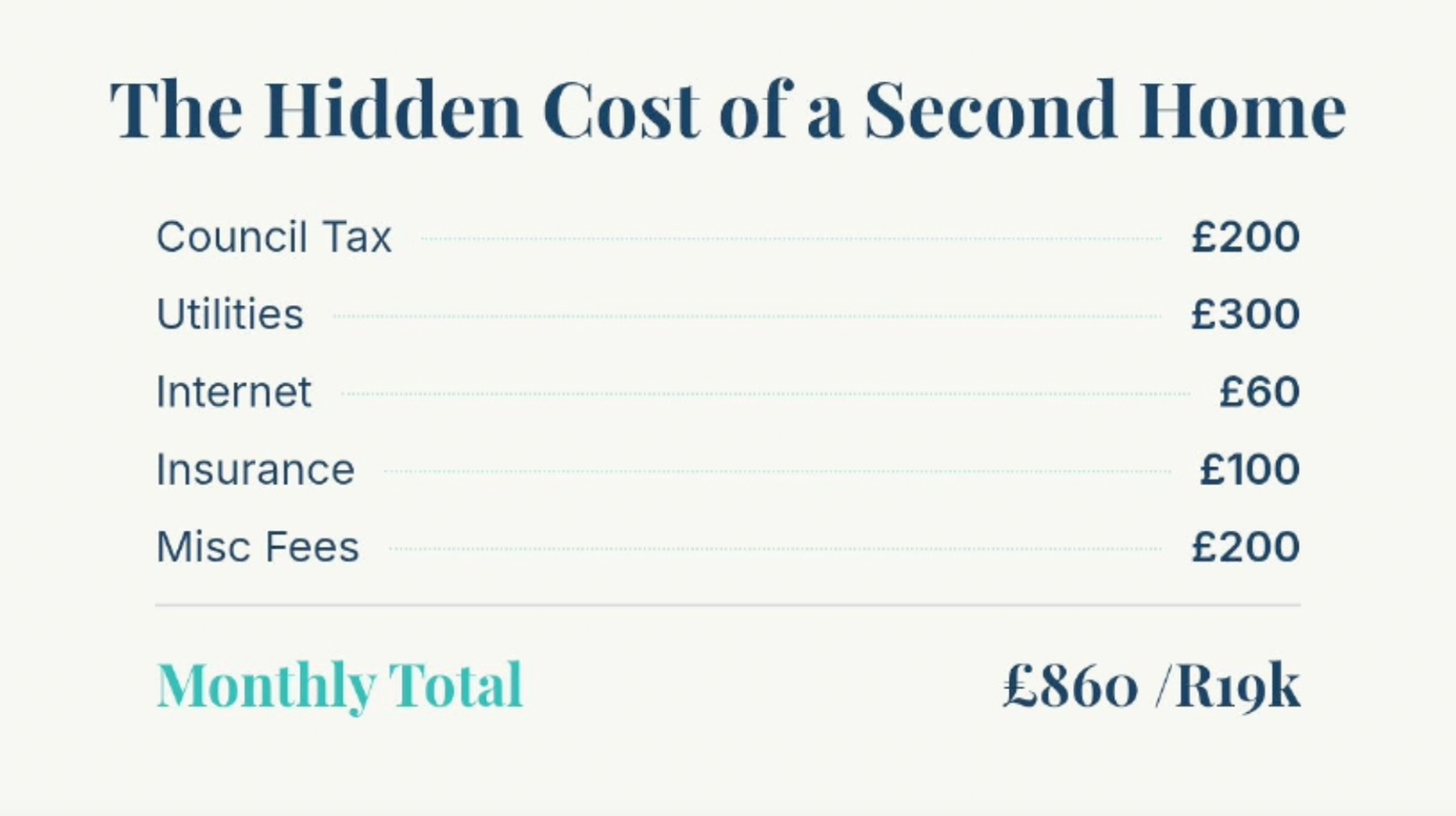
Rob and James estimate that their regular flights between the two countries cost roughly three to four thousand pounds each year. Their combined fixed household bills, including council tax or levies, utilities, internet, insurance and other unavoidable costs, come to about eight hundred and sixty pounds a month. That is approximately ten thousand three hundred and twenty pounds a year.
Added together, the flights and fixed costs amount to at least thirteen thousand three hundred and twenty pounds a year. At the upper end of their typical flight spending, the figure rises to around fourteen thousand three hundred and twenty pounds.
That is before irregular expenses. A repair may be needed while they are in the other country. A service charge may increase. Flights may cost more when dates are not flexible. Currency movements can also change the cost of maintaining the South African home.
They are fortunate not to have a mortgage on either property. If they did, maintaining this arrangement could become unrealistic. Even without mortgages, the annual cost deserves serious thought.
The difficult question is whether that money buys genuine freedom, or simply preserves a habit they have not yet tested properly.
Why a Cape Town winter matters
Rob and James do not believe you can judge a possible retirement destination from a holiday. A place can be wonderful for two weeks and frustrating as a long stay base.
Their time in Croatia reinforced this. They loved much of the country, but summer heat, crowds, prices and the practical details of daily life made them question whether they could genuinely live there.
Cape Town deserves the same honest examination. So far, Rob and James have mainly experienced the city during the warmer South African months. They have enjoyed the sunshine, outdoor lifestyle and long bright days. That is not the same as experiencing a complete Cape winter.
Friends who live in Cape Town throughout the year describe crisp sunny days, quieter restaurants, calmer beaches and a more relaxed city. Other people talk about rain, wind, shorter days and homes that can feel surprisingly cold.
Both descriptions can be true. One pleasant week would not settle the question, and neither would a short spell of bad weather.

A proper test would mean spending an entire winter in Cape Town as residents. It would involve shopping, working, heating the apartment and following ordinary routines. The purpose would not be to fill every day with attractions. It would be to discover how the city feels on a wet Tuesday when there is nothing special planned.
The emotional cost of choosing one base
Selling the British home could reduce expenses and make life simpler. It could also create a sense of loss that is harder to calculate.
Would Rob and James miss British summers? Would the distance from their families and friends feel manageable for a few months but difficult after a full year? Would they miss the familiarity of their old routines more than expected?
These questions become especially important for anyone considering retirement or a long stay abroad after the age of fifty. A move is not only about choosing better weather or lower costs. It can change access to family support, healthcare, social connections and the small comforts that make daily life feel secure.
The financial savings from operating one principal home could be substantial. The emotional cost of giving up a base that still matters could be equally significant.
How to test a possible retirement home
Rob and James believe the safest approach is to test the ordinary version of a destination before making an irreversible decision.
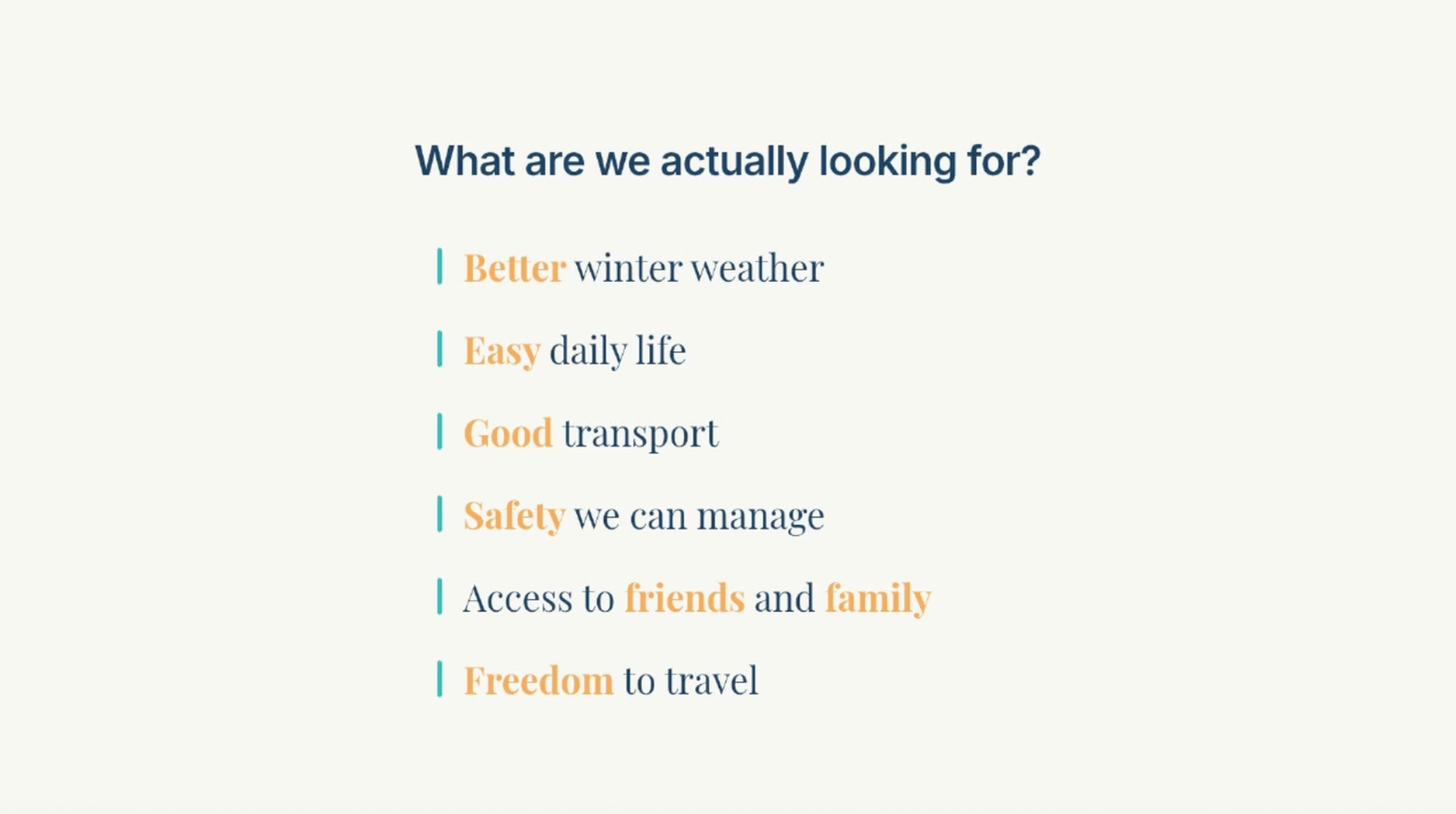
Spend time there outside the most attractive season. Shop for groceries, use local transport, manage household chores and notice how your energy levels respond to the weather. Think about access to medical care, insurance, banking and the people you rely upon.
Calculate the full cost of keeping your existing home during the trial. Include regular bills, travel, repairs and the effect of currency changes. If you are considering selling, think about the cost and difficulty of returning if the move does not work.
It is also worth discussing the decision separately as well as together. Two people can enjoy the same destination but have different feelings about distance, security and belonging. A successful retirement move needs to work for both partners.
Above all, avoid making a permanent decision based on a wonderful holiday, a favourable exchange rate or somebody else’s experience. Try the inconvenient parts of the lifestyle as well as the attractive ones.

Our balanced verdict
Cape Town is a serious contender for Rob and James’s permanent retirement base. Permanent residency gives Rob the security to consider that future with greater confidence, and the city already feels like home in many important ways.
But the timing is not right for a permanent move. They have not experienced a complete Cape Town winter, James’s residency position was still unresolved when this update was prepared, and their relationships in Britain remain central to their lives.
Keeping two homes is expensive and sometimes inconvenient. For now, it also preserves flexibility while they gather the evidence needed to make a good decision.
You can watch Rob and James discuss why permanent residency has not led to an immediate move to Cape Town.
The eventual answer may be a full move to South Africa. It may be a continued life between two countries, or another destination may surprise them. They do not want to manufacture a tidy conclusion before they have lived the reality.
That uncertainty is not a failure to decide. It is the point of testing retirement properly. A permanent move deserves more than enthusiasm. It deserves time, honest conversations and experience of everyday life in every season.