Our first quote for a year of travel insurance was more than £5,000. Here is how James and Rob found suitable cover for £2,296.74, what it includes and what travellers over 50 should check.
Buying travel insurance for a fortnight away is familiar. Insuring almost a full year on the road is a very different task.
We are leaving the UK in November 2026 and travelling for 360 days through eleven countries. James will be 51 and Rob will be 62. We will use long haul flights, trains, buses, boats and hire cars, while carrying cameras, phones and computers that are essential to our work and daily life.
When our first insurance quote came back at more than £5,000, it felt like another serious blow to a travel budget that was already close to £70,000. We could not ignore the risks, but we also did not want to pay for cover that did not match our route.
After more research, we bought a policy from True Traveller for £2,296.74 for both of us. This is not sponsored. We found the company ourselves and paid the full premium.
Why annual insurance was not enough
Our first mistake was assuming that an annual policy would automatically cover a continuous year abroad. The word annual often describes the period in which you can take several separate trips. It does not necessarily mean that one trip can last for twelve months.
MoneyHelper says many annual policies limit each individual trip to about 31 days. That would be no use to us because we are not returning to the UK every few weeks. We needed one policy that would remain valid for the full 360 day journey.
This is the first detail we would check for any long stay trip. Look for the maximum duration of one continuous journey, not simply the length of the insurance contract.
The route changed the policy we needed
Our journey begins in New Zealand, continues through Asia, Mexico and South America, and finishes in South Africa. Every country had to sit within the geographical area shown on the policy.
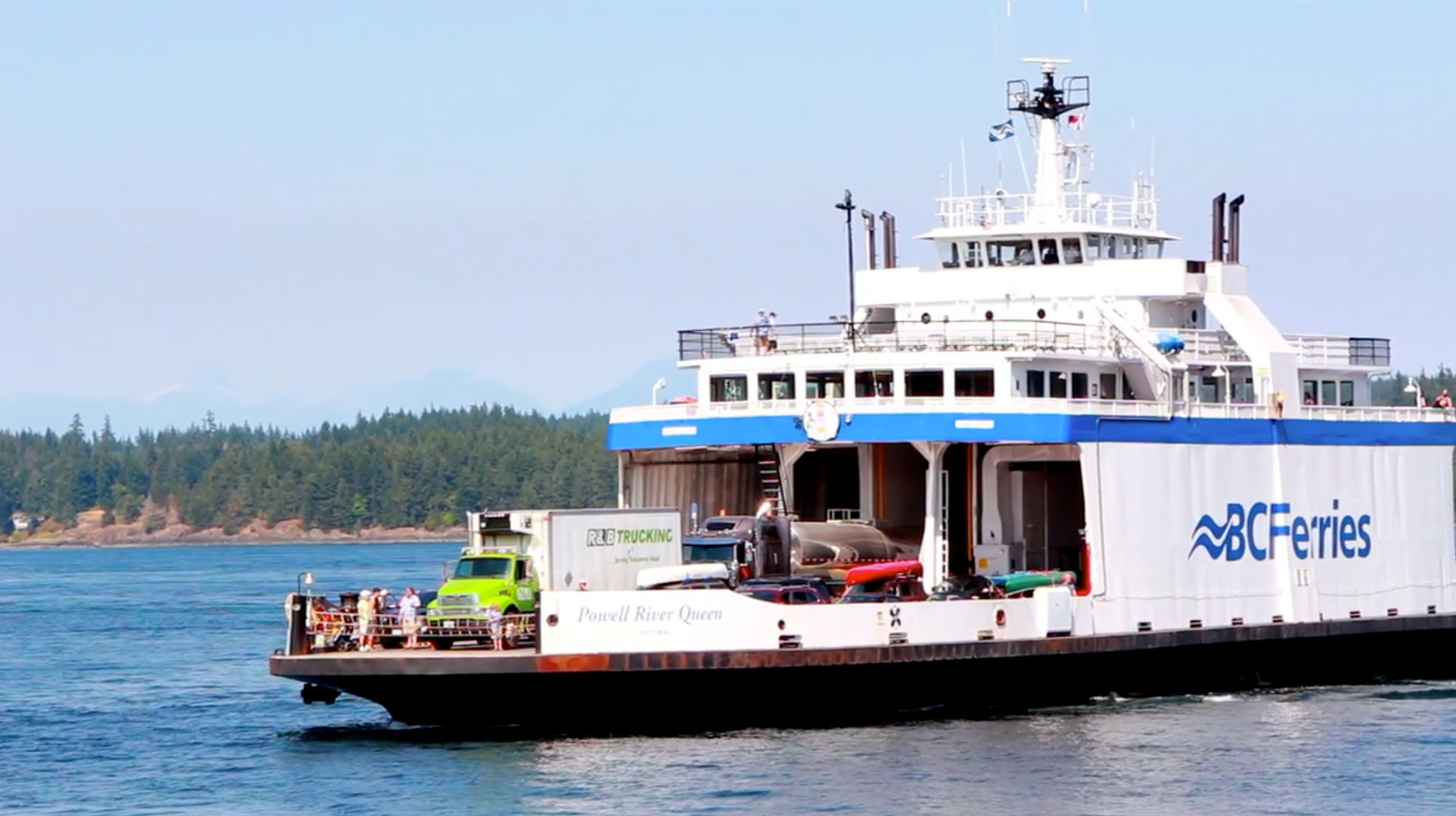
We chose worldwide cover excluding North America because we are not visiting the United States or Canada. Paying for a region outside our route would not have helped us. Other travellers may need a different geographical option, even if the rest of their plans look similar.
The UK government advises travellers to buy cover that matches their itinerary, planned activities and possible emergency expenses. It also warns that travelling without appropriate insurance can leave you responsible for very large medical or repatriation costs.
A route can change, so this is not a check to make only once. Before adding another country, we would confirm that it remains inside the insured area and that current official travel advice does not affect the policy.
The six questions that guided our search
Once we stopped looking for the cheapest headline price, the search became much clearer. We judged every option against six practical questions:
- Would it cover one continuous trip lasting 360 days?
- Did the geographical area include every country on our route?
- Would it cover both of us at 51 and 62?
- Could we declare our medical histories and receive a clear decision?
- Were the cancellation limits suitable for the money already committed?
- Could we insure the technology we rely on while travelling?
Those questions reduced the realistic choices quickly. Our priority became finding cover designed for the actual trip, rather than choosing a cheap policy and hoping it would stretch to fit.
What our £2,296.74 premium includes
The base Traveller Plus policy cost £1,464.07 for both of us. We then added the options that mattered for this journey.
- Baggage cover cost £191.
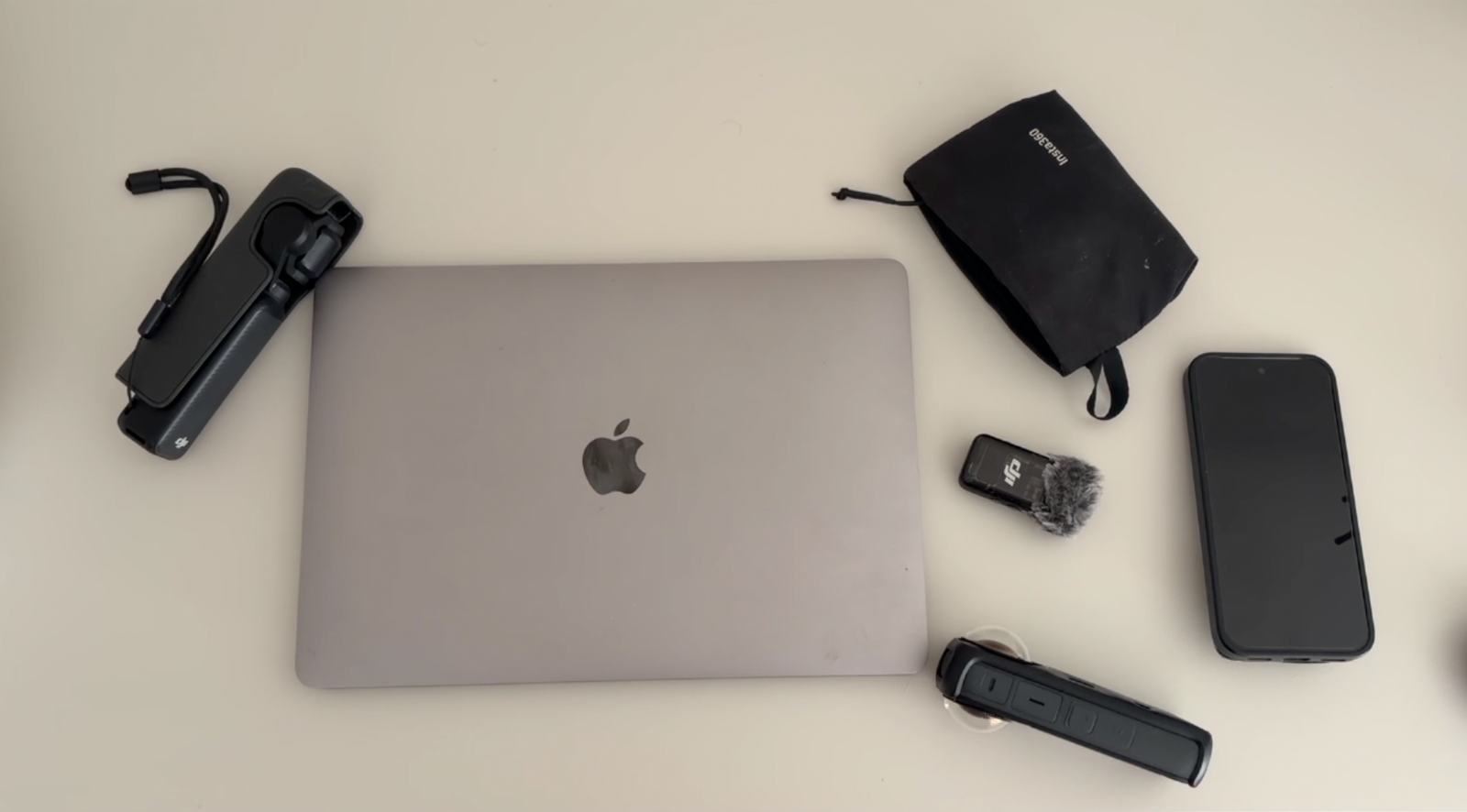
- Cover for five specified valuable items cost £568.60.
- Travel disruption cover cost £25.
- Medical screening for our declared conditions cost £46.51.
The final premium was £2,296.74. Our policy documents state medical and repatriation cover of up to £10 million, cancellation cover of up to £7,500 per person, and curtailment cover of up to £7,500 per person. These are the limits shown for our purchased policy, not a promise that another customer will receive the same terms or price.
The cancellation cover began when we bought the policy in July, subject to its conditions. That mattered because flights, accommodation and major experiences had already been paid for months before departure.
Insurance products and terms can change. Anyone comparing cover should use the current policy wording and personalised quotation, rather than relying on our figures.
Technology cost more to insure than our health
The most surprising part of the price was not our medical screening. Declaring our accepted conditions added £46.51, while insuring five specified items added £568.60.
That equipment includes computers and cameras used to make our videos. Our phones also handle maps, bookings, communication and banking. If a laptop or camera were lost or damaged halfway through the journey, waiting until we returned to Britain would not be practical.
Another traveller might decide that this extra cost is unnecessary. The important point is to check the limit for each item. A general baggage total can look generous while the maximum payment for one phone, camera or computer is much lower than its replacement cost.
Medical disclosure remains an ongoing duty
Both of us completed medical screening and answered the insurer’s questions about our health. The relevant conditions were accepted for our policy.

Buying the policy did not end our responsibility. If a diagnosis, treatment or existing condition changes, we need to tell the insurer and confirm what happens to the cover. A medical detail that seems minor could become important during a claim.
Official UK guidance says travel insurance should cover existing physical and mental health conditions, including conditions under investigation. Travellers should answer the questions accurately and seek clarification if anything is uncertain.
For people travelling after 50, this deserves time and patience. Price matters, but a cheaper policy has little value if the medical information is incomplete or the cover does not match your needs.
Activities and exclusions need attention too
Paying a substantial premium does not give us permission to do anything we want. We must remain within the insured area, protect our belongings properly, follow the claims process and check whether planned activities are covered.
James may be disappointed, but we are not planning to add bungee jumping without checking the terms first. The same caution applies to scooters, trekking, diving, skiing and other activities that may need extra cover or have specific conditions.

Read the exclusions as carefully as the benefits. Also check the excess, the evidence needed for a claim and the emergency contact process before departure. Save the policy details somewhere both travellers can reach if one phone is lost.
Our five practical checks for travellers over 50
- Check the continuous trip limit. Annual cover may still restrict each journey to a much shorter period.
- Match the policy to the complete route. Include transit countries and any destinations that may be added later.
- Compare cancellation limits with money already at risk. Count prepaid flights, accommodation, transport and activities.
- Declare medical information accurately. Ask what must be reported if your health changes before or during the trip.
- Check individual item limits. Decide whether important phones, cameras and computers need specific cover.
Start with the journey and work backwards. Write down where you are going, how long you will be away, what you have paid, what you are carrying and which activities you expect to try. Then compare policies against that list.
Was our travel insurance worth the price?
£2,296.74 is not cheap. It pushed our overall travel cost higher, and we would have preferred to spend that money on the journey itself.
However, the final premium was far more manageable than the first quote of more than £5,000. It bought cover shaped around a continuous 360 day trip, our route, our declared health information, our prepaid costs and the technology we need.
The real test would come only if we had to claim. We hope that never happens. The best result would be to complete the whole journey without needing the policy at all.
You can watch our travel insurance after 50 video for more detail on how we compared the options and decided what was worth paying for.
Our balanced verdict is simple. Do not begin with the lowest price. Begin with the real risks and practical needs of your own trip. For long stay travel after 50, suitable insurance may cost more than expected, but discovering a gap after something goes wrong could cost far more.