Leaving home for several months involves far more than locking the door and heading to the airport. James and Rob share the seven practical areas they are sorting before their year of travel.
Planning a long journey feels exciting while the flights, destinations and accommodation take shape. Then you must decide what will happen to everything left behind.
We are James and Rob, and we are preparing to leave the UK for almost a year of travel. A fortnight away is one thing. Being absent for months means thinking about insurance, the car, household bills, medication, money, post and the people who may need to help while we are abroad.
Sorting these jobs properly should let us enjoy the journey without constantly worrying about home. These are the seven areas every long stay traveller should review.
Check that your home insurance matches reality
Having home insurance does not automatically mean the policy covers the way you plan to leave your property.
An insurer may treat an empty home differently from one with a house sitter. Occasional visits from a friend may also be different from somebody staying overnight. The important details include how long you will be away, who can enter the property, how often it will be checked and whether the heating or security system must remain active.
We are explaining our actual arrangements to our insurer and asking for the answer in writing. We also need to understand any conditions connected to inspections, heating, alarms or the maximum period the home may be unoccupied.
Your mortgage, tenancy or lease may contain separate conditions, particularly if another person will stay in the property. Belongings moved into storage may need their own cover too.
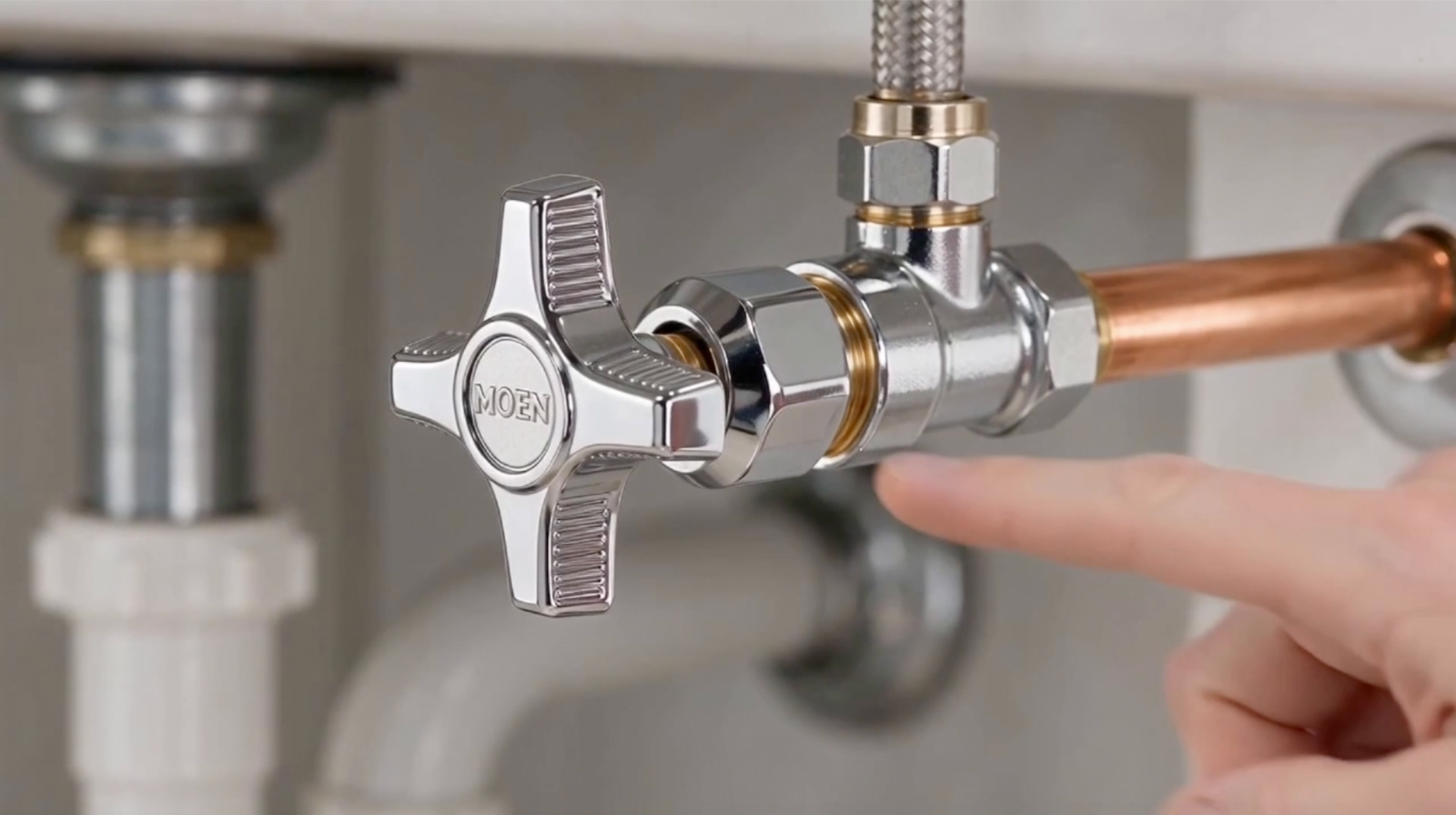
A keyholder should know where the stop tap is, how the alarm works and who to contact about a leak or failed boiler. Small details matter when you are asleep in another time zone.
Decide what will happen to the car
Rob has decided to keep the car rather than sell it for the sake of one year away. That choice creates several jobs of its own.
If a vehicle is declared off the road in the UK, it must be kept off the public road. A driveway, garage or suitable private parking space may qualify, but a public street outside the house does not. The official GOV.UK SORN guidance, checked on 16 October 2026, also confirms that full remaining months of vehicle tax are refunded and the vehicle cannot be used on the road until it is taxed again.
Insurance is a separate decision. A stationary car can still be stolen or damaged, so we are checking what protection remains sensible. Rob will also ask the mechanic who services the car about the battery, tyres and the best way to leave that particular model unused.
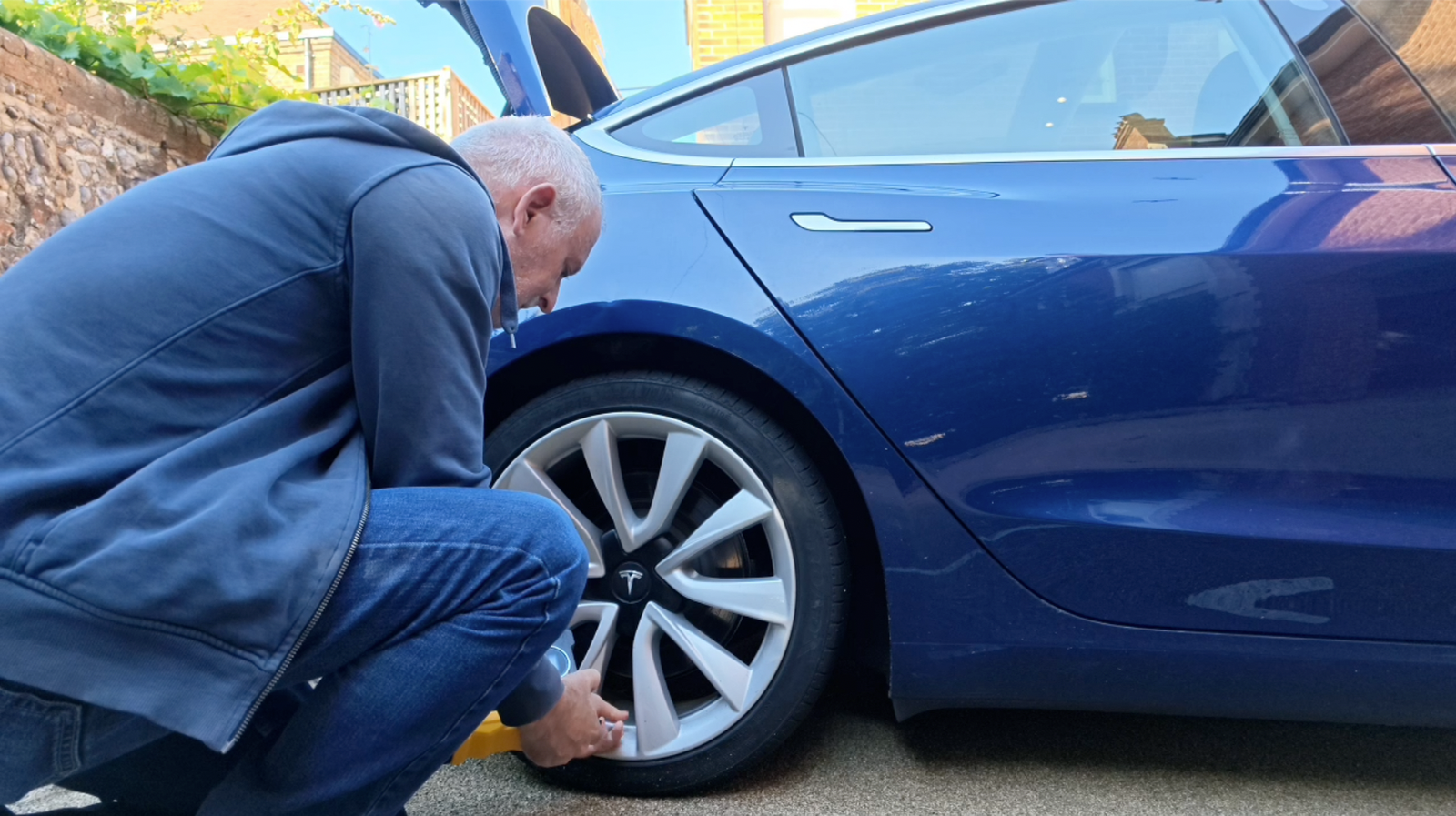
Check the MOT date and record what must happen before the car goes back on the road. Arriving home tired is not the moment to discover that it cannot legally be driven.
Review bills without cancelling something essential
Our first instinct was to cancel services we would not use, but some of them support the house while we are away.
Broadband is a good example. Security cameras, alarms and remote heating controls may depend on it. A friend or relative staying in the property may reasonably need it too. Our current contract runs for eighteen months, so ending it early could cost more than keeping it.
We are reviewing every regular payment and giving it one of three labels: keep, cancel or check. This includes streaming services, memberships, regular deliveries and household utilities. Energy and water use may fall, but standing charges can continue, and some heating may be needed to protect the property in cold weather.
The TV Licence needs its own check. TV Licensing guidance, checked on 16 October 2026, says a licence may be cancelled when nobody will watch live television on any channel or use BBC iPlayer. A refund may be available if at least one complete month remains. If somebody will use the property, check what they intend to watch before cancelling.
We are noting each decision, its start date and anything that must be restarted. A simple list is easier than trying to remember from a night bus in Vietnam.
Make a realistic medication and health plan
Both of us take regular medication, so we cannot assume that packing a few boxes will solve the problem.
Speak to your GP practice well before departure and explain how long you will be away. Ask what supply can safely be provided and how you should arrange ongoing medication. For a long absence, you may need to find an appropriate doctor or pharmacy during the journey.
Check the rules for every country on your route because a medicine that is ordinary in the UK may be controlled elsewhere. Carry a copy of your prescription or a signed clinician letter when required. Current government guidance on travelling with medicine explains the evidence needed for medicines containing controlled drugs and advises travellers to check destination rules.
Book dental, eye and routine health checks before leaving. The NHS travel vaccination guidance, updated in April 2026, recommends seeking advice at least four to six weeks before travel because some vaccines need several doses or time to become effective. Some are available through the NHS and others must be paid for privately.
Finally, make sure essential health information can be reached without your main phone or UK SIM.
Test access to money after losing your phone
A lost wallet is an obvious risk. Losing the phone that approves bank logins can be even more disruptive.
Before leaving, check whether your bank needs to know about extended travel and whether any cards expire before you return. Review foreign transaction fees, exchange rates and cash withdrawal charges. Small fees repeated for months can become a meaningful cost.
We plan to use a Lloyds credit card and Revolut rather than depend on one provider. We will keep a backup card separately, because two cards in the same missing wallet provide no backup at all.

Test account recovery while everything still works. Can you enter your email without approving the login on the missing phone? Can you receive security codes on your UK number abroad? Do you know how to contact each bank? We will use electronic SIMs for travel data, but we also need continued access to the number linked to important accounts.
Control post, renewals and official deadlines
Most everyday communication is digital, but an important letter can still arrive with a deadline.
Decide whether to redirect post or ask somebody you trust to handle it. Agree whether they will collect, open, photograph or forward letters, and how quickly they should contact you.
Add expiry dates and renewals to a digital calendar. Check driving documents, insurance, tax, pensions and any other records that may need action. The goal is simple: important information should reach you with enough time to respond.
Give your keyholder clear authority and limits
Handing over a spare key sounds like a small favour. In practice, that person may need to inspect a leak, meet a repairer or make a quick decision while you are unreachable.
Have an honest conversation about what they are willing to do. Ask what would feel like too much responsibility and who could step in if they are away or unwell.
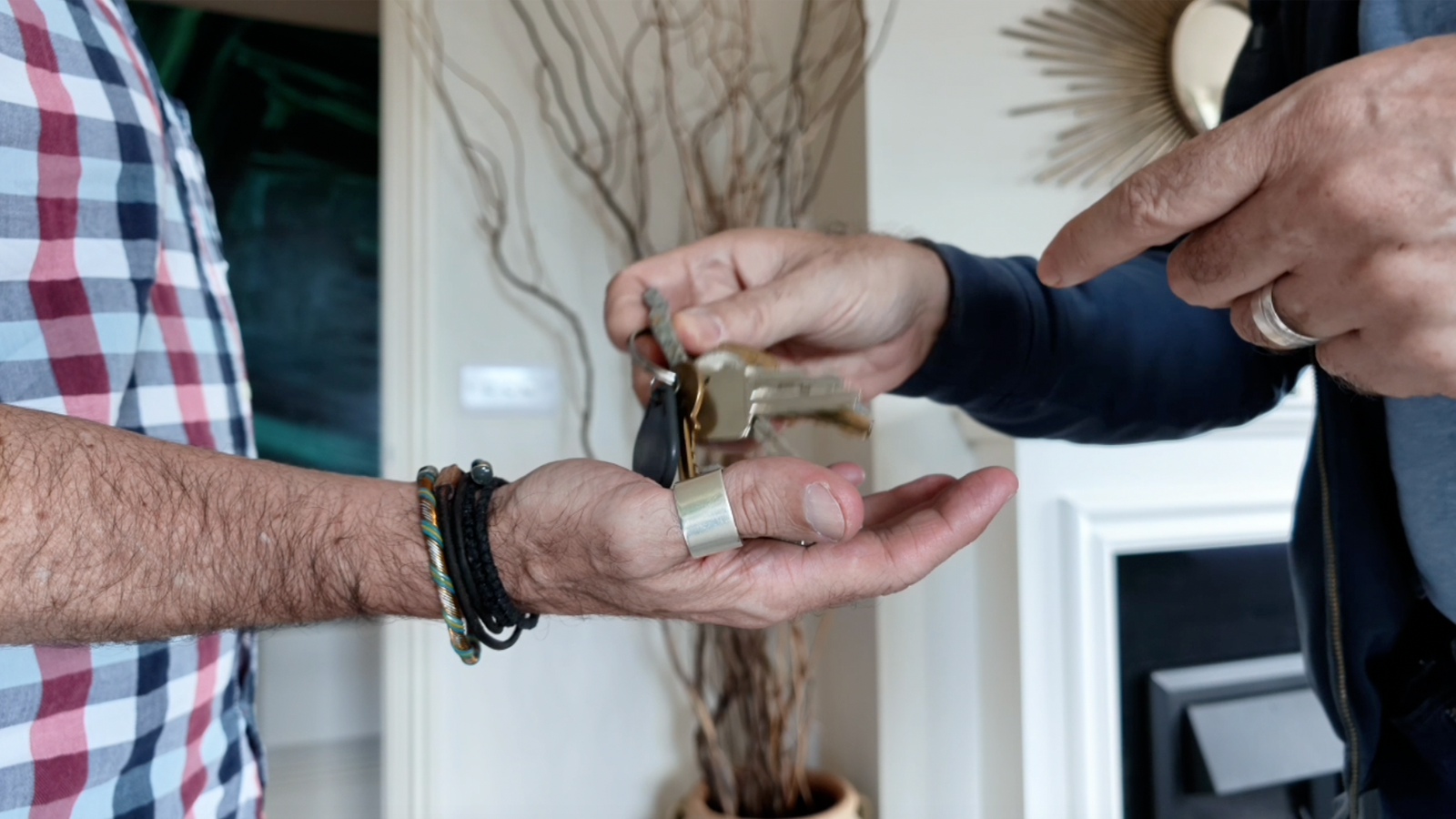
Provide emergency contacts, alarm and utility instructions, and a process for urgent expenses. Check whether written authority is needed. Store documents securely while keeping them accessible to the person who needs them.
Prepare for an unexpected early return
A long trip may end earlier than planned because of illness, a family emergency or a change in circumstances.
We are creating a short return list covering the house, heating, medication, broadband, car, tax and insurance. The question is whether we could arrive home at short notice and make the property comfortable and usable.
It is also useful to keep one master checklist showing what has been completed, what remains open and what needs restarting later.

Our practical verdict
You do not need to finish every task in one afternoon. You do need a clear record of what is decided, what still needs attention and who will act if something goes wrong.
For travellers over 50, these conversations matter when a trip includes regular medication, a home full of belongings and long established finances. Preparation cannot remove every risk, but it can make problems easier to manage.
You can watch our seven things to sort before leaving home video for more of the reasoning behind our choices.
Our balanced view is that a little inconvenience before departure is worth it. We want to leave knowing that our home, car, money and health arrangements are understood, and that the people helping us know exactly what we are asking of them.