Planning thirteen months of travel meant balancing weather, cost, comfort and flexibility. Here is how we turned a huge idea into a route we can actually live with.
Planning a journey around the world sounds wonderfully simple when it is still a dream. Choose the places you have always wanted to see, draw a line between them and book a flight. The reality is rather different.
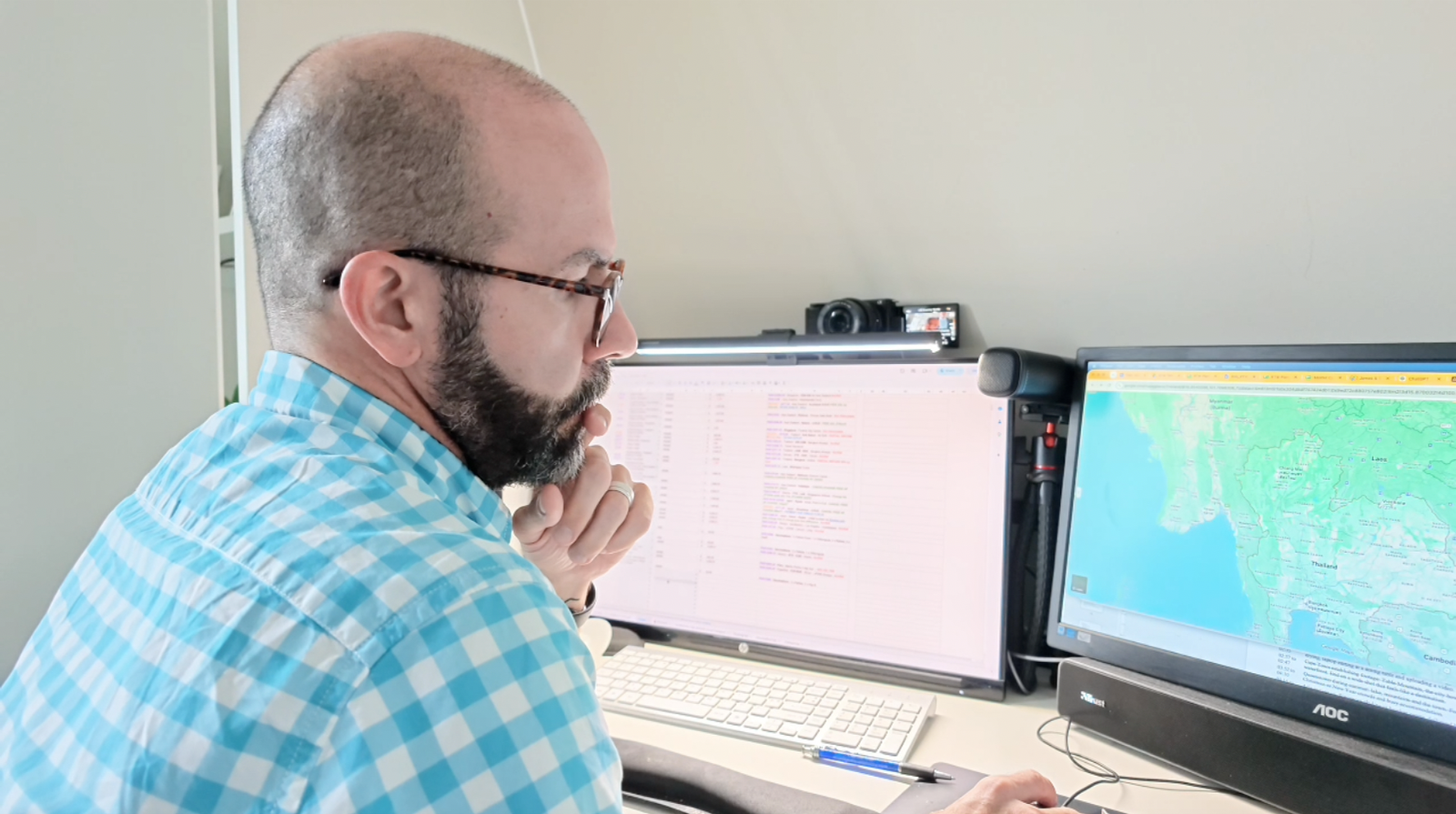
Our plan now covers eleven countries, fifty five stops and more than a year away from the UK. Reaching that point took two years of research, many versions of the route and a great deal of compromise. James loved most of the process. Rob loved knowing there was a plan, but had rather less enthusiasm for comparing fourteen hotels on a Saturday afternoon.
That difference in personality has actually helped. James enjoys researching the detail, while Rob asks whether each decision is sensible, affordable and genuinely necessary. Between us, we have built a route that offers enough certainty to feel comfortable without removing every possibility of surprise.
We started with the kind of year we wanted
Our first lesson was not to begin with a list of countries. The world is too large and our wish list would never stop growing. Instead, we asked what we wanted everyday life to feel like while travelling.
We knew we did not want to race between famous sights or change beds every couple of nights. We wanted an unhurried gap year, with longer stays, ordinary days and enough time to recover between journeys. That means allowing space for laundry, supermarket trips, editing videos, resting and simply enjoying a neighbourhood.
For anyone planning extended travel after 50, pace matters as much as destination. A route that looks exciting on a map can feel exhausting when every move involves packing, checking out, travelling, finding the next property and learning how another place works.
We therefore aimed for roughly a month in many countries and about a week in many towns or cities. Some stops are shorter and some are much longer, but the principle remains the same: we do not want one travel day immediately followed by another.
Weather shaped the route
We leave the UK on 23 November, so avoiding the British winter was part of the appeal. Starting in New Zealand allows us to arrive during the southern summer, although Christmas and New Year also make it a costly time to visit.
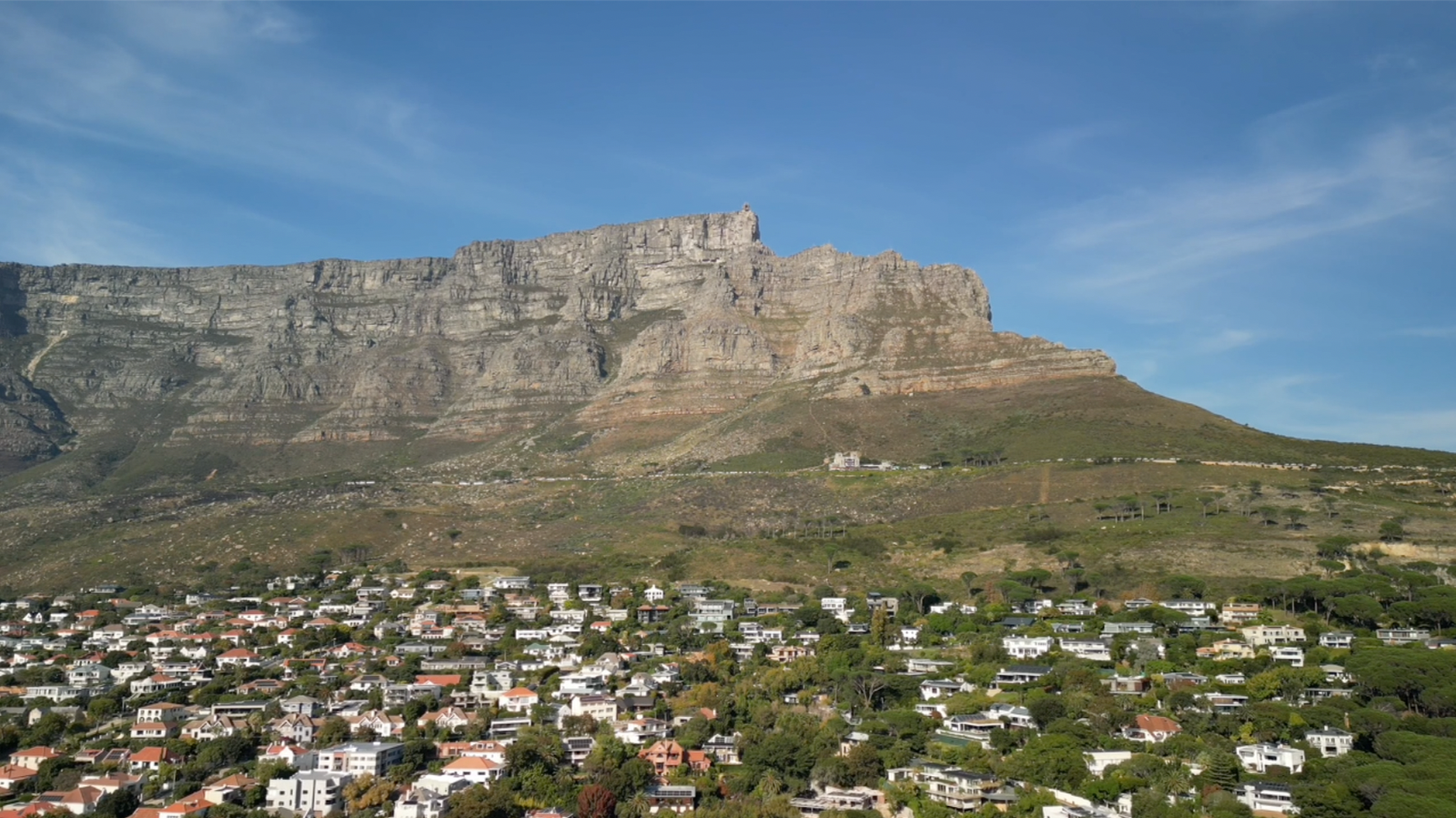
From there, the route moves through Singapore and parts of Asia before continuing to Japan, Mexico and South America, eventually ending in Cape Town. Each stage had to fit with the next, and every seasonal choice created another compromise.
Japan is a good example. Our dates place us there during spring, when demand may be high. Mexico may bring some wetter weather. Parts of South America will not offer perfect summer conditions either. Trying to find ideal weather everywhere would have sent us backwards and forwards across the world, adding flights, cost and fatigue.
Our rule became simple: avoid the worst conditions where possible rather than chase perfection. A few wet or cool days are preferable to building an expensive and illogical route purely around forecasts.
Comfort and cost had to meet in the middle
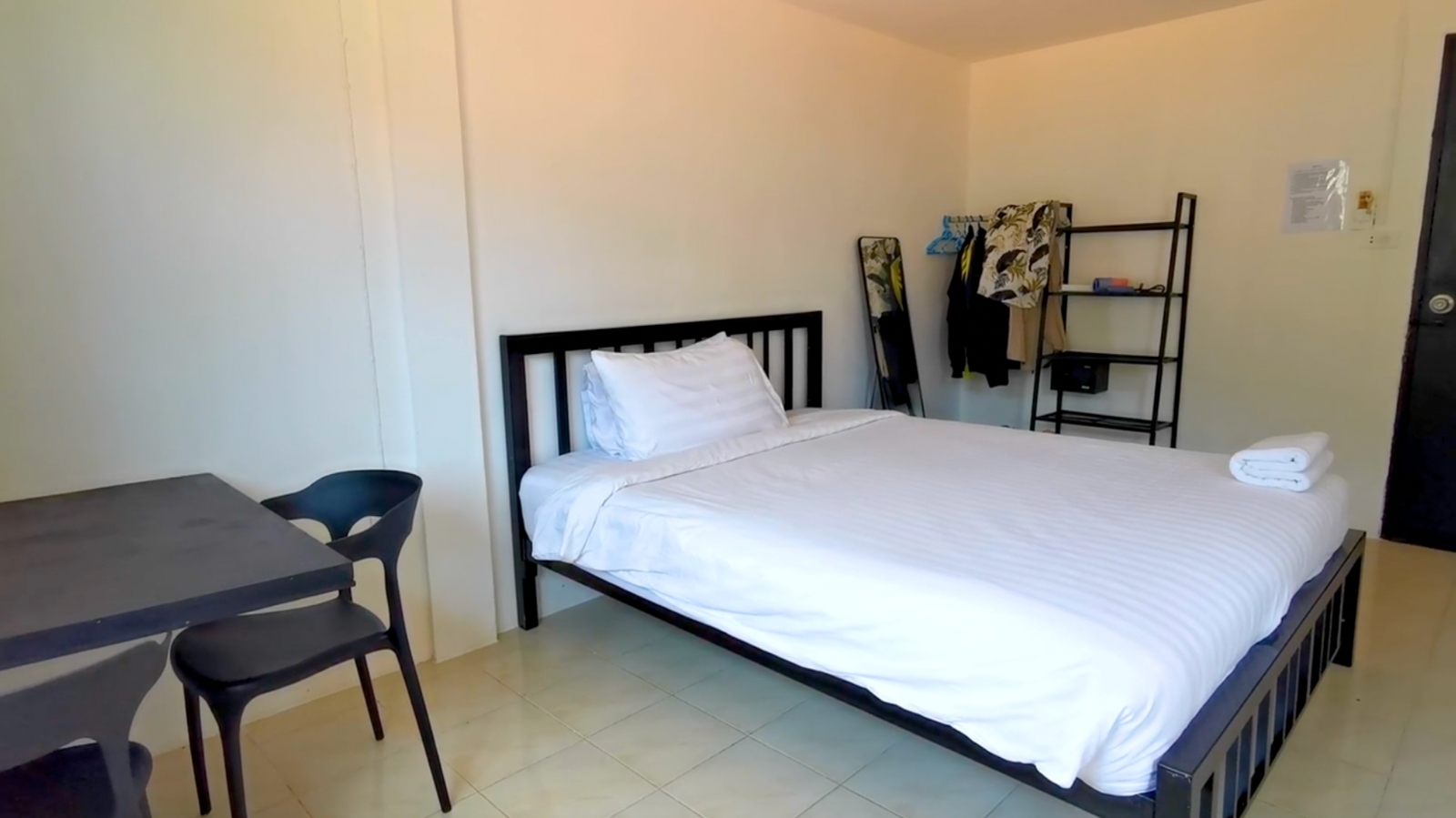
We are not planning to travel as backpackers, but neither are we taking a year of luxury holidays. Our preference is a comfortable middle ground using apartments and modest hotels.
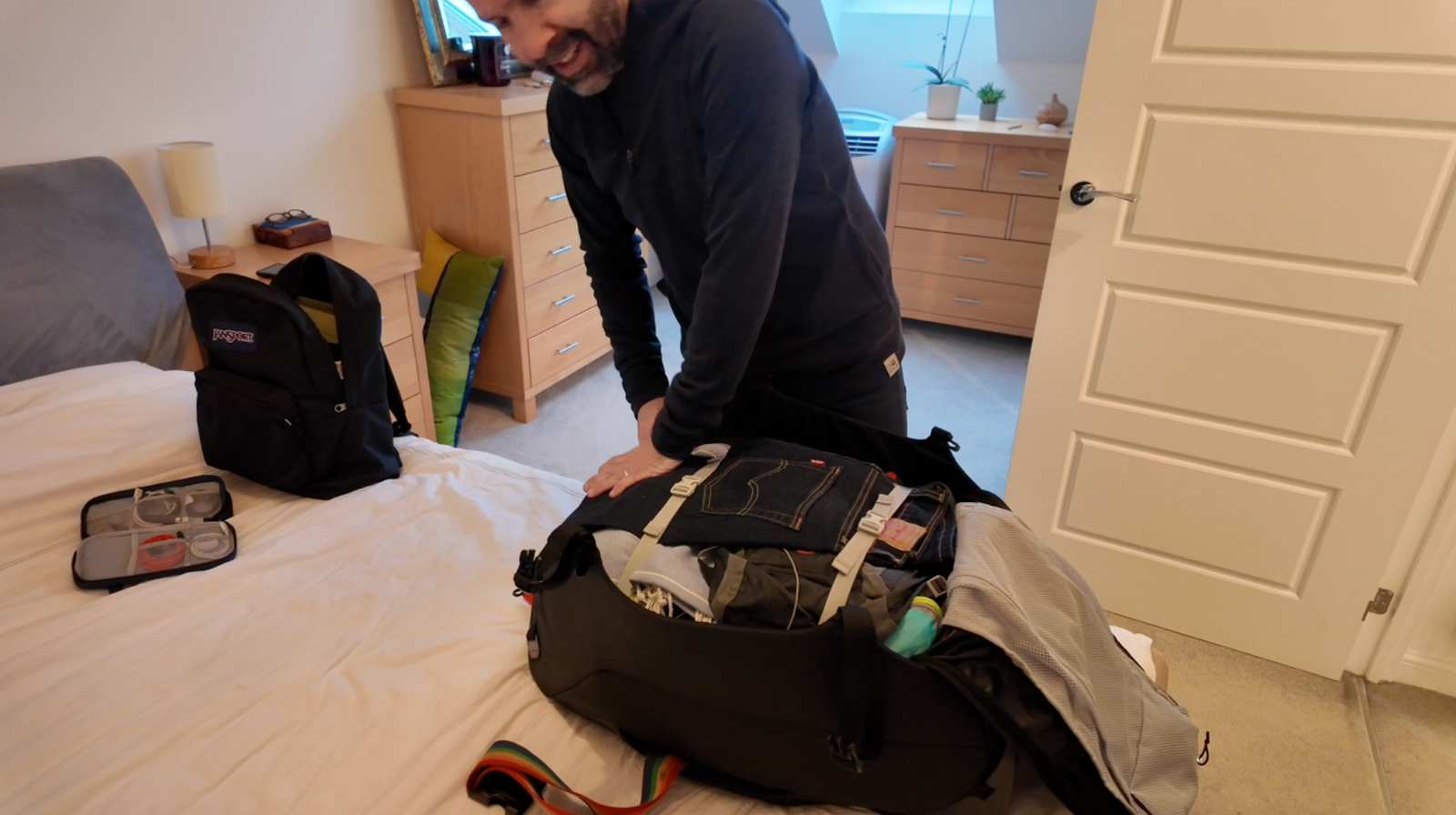
For longer stays, practical features often matter more than glamorous ones. A washing machine allows us to pack for about a week rather than carry a year of clothing. Reliable internet and somewhere to sit make it possible to edit and upload our weekly videos. A convenient neighbourhood can be more valuable than a beautiful room far from everyday services.
Budget affected the number of countries, the length of each stay and how often we move. Every extra destination brings another journey, border crossing, packing day and set of local arrangements. Cutting places we genuinely wanted to visit was disappointing, but keeping everything would have made the year faster, more expensive and less enjoyable.
We will share our detailed budget separately, but the planning lesson is already clear. Decide what comfort means to you before comparing prices. The cheapest room is poor value if it makes daily life difficult, while paying for facilities you never use wastes money that could support another part of the trip.
We booked the fixed points first
Although the route is detailed, not every night and activity is locked in. We began with the parts most likely to sell out or affect everything around them.
Those fixed points include major flights between regions, accommodation during popular holiday periods and a small number of important activities. Christmas and New Year in New Zealand needed early attention. Other busy dates and major excursions also justified booking ahead.
For much of the remaining accommodation, we have looked for flexible reservations with cancellation options and little or no payment required immediately. That gives us a provisional structure while allowing changes if prices fall, plans move or a destination no longer feels right.
This approach will not suit everyone. Some travellers feel happiest knowing every detail. Others want to arrive with almost nothing reserved. For us, the right balance is securing the difficult and expensive pieces while leaving less important decisions open.

Planning as a couple requires clear roles
James and Rob approach research differently. James can happily examine routes, hotels, weather and local transport for hours. Rob wants to understand the main options, make a sound decision and move on.
Rather than fight that difference, we use it. James researches and creates a shortlist. Rob checks the reasoning, considers value and helps make the final choice. Rob has also taken responsibility for a few bookings when timing or availability made them urgent.
Couples planning a long trip should discuss responsibilities early. Agree who will research transport, accommodation, insurance, entry requirements and money. It prevents one person carrying the entire mental load and reduces the chance of resentment when something goes wrong.
It also helps to agree when enough research is enough. There will nearly always be another hotel, another review or another possible route. Eventually, a good decision made calmly is more useful than chasing a perfect answer that may not exist.
We expect the plan to change
Rules, prices and personal circumstances can change after a route is built. Entry requirements may be revised. Flights may move. Accommodation can become more expensive. A place that looked ideal from home may not feel right once we arrive.
That is why flexibility is not an afterthought. It is part of the plan. We will keep checking official entry information before travelling and avoid committing every pound and every day too far ahead.
The same applies to energy. If we become tired, we need permission to slow down. If somewhere feels unexpectedly comfortable, we may want to stay longer. A route should guide the journey rather than become a set of instructions that must be obeyed regardless of experience.
Practical lessons for planning a long trip
Start with pace and priorities before choosing destinations. Decide how often you are genuinely willing to move and how much ordinary downtime you need.
Use weather as a guide, not a demand. Avoiding severe conditions is sensible, but perfect weather across several regions is rarely realistic.
Book scarce essentials early. Major flights, peak periods and limited capacity activities deserve priority. Leave routine days and flexible choices until later.
Compare accommodation as a place to live, not simply a place to sleep. Laundry, internet, location, seating and access can transform a longer stay.
Keep checking the true cost of adding another stop. Include transport, transfers, time, paperwork and the energy required to move again.
Build a system that both travellers understand. Shared documents, clear responsibilities and regular conversations make a large plan easier to manage.
Our honest verdict
Planning thirteen months around the world has taken far more work than either of us first imagined. It has also forced us to be honest about what we value. We want adventure, but we also want comfort. We want security, but not a year so rigidly organised that it stops feeling exciting.
The finished route is not perfect, and it is not meant to be. It is a practical framework for the kind of year we hope to have. Some of our choices will prove wise and others may look rather questionable once we are living them.
You can watch how we planned our thirteen month route around the world and see how James and Rob balance detail with spontaneity.
For anyone considering extended travel, retirement travel or a long stay abroad, the most useful plan is not the one with the greatest number of destinations. It is the one that leaves you with enough time, money and energy to enjoy being there.