After years of planning, James has handed in his notice and we are finally turning our dream of travelling the world into real life.
For a long time, this journey was something we talked about rather than something we were definitely going to do. It lived in spreadsheets, maps and conversations over dinner. Now there is a departure date, a first flight and a final day at work. On 23 November, aged 51 and 62, we will leave the UK to travel around the world for more than a year.
This is not a conventional holiday and it is not a youthful gap year recreated several decades late. We are choosing slower travel, longer stays and enough ordinary days to discover what places are really like. We want to see whether life on the road suits us, whether some destinations could work for a longer stay or retirement, and what happens when familiar routines disappear.
Why we decided not to wait
There is always a sensible reason to postpone a big decision. Another few years of work would mean more savings and perhaps fewer financial worries. Waiting could make some practical arrangements easier too. Yet it would also mean Rob approaching 67 before we began.
That matters, not because 67 is old, but because none of us knows how our health, energy or priorities will change. We feel that we are in our go years, when we are curious, active and prepared to tolerate unfamiliar beds, long journeys and the occasional overnight bus. We did not want to spend those years preparing for a future that might look very different by the time it arrived.
Travel has always been important to us, but work placed boundaries around it. A two week holiday meant a return flight was always waiting. We rushed between highlights, tried to fit everything in and rarely had time to understand the rhythm of daily life. Neither of us took a gap year in our twenties. Careers, homes and responsibilities took over, as they do for many people.
This journey is our chance to travel differently while we still feel ready for it.
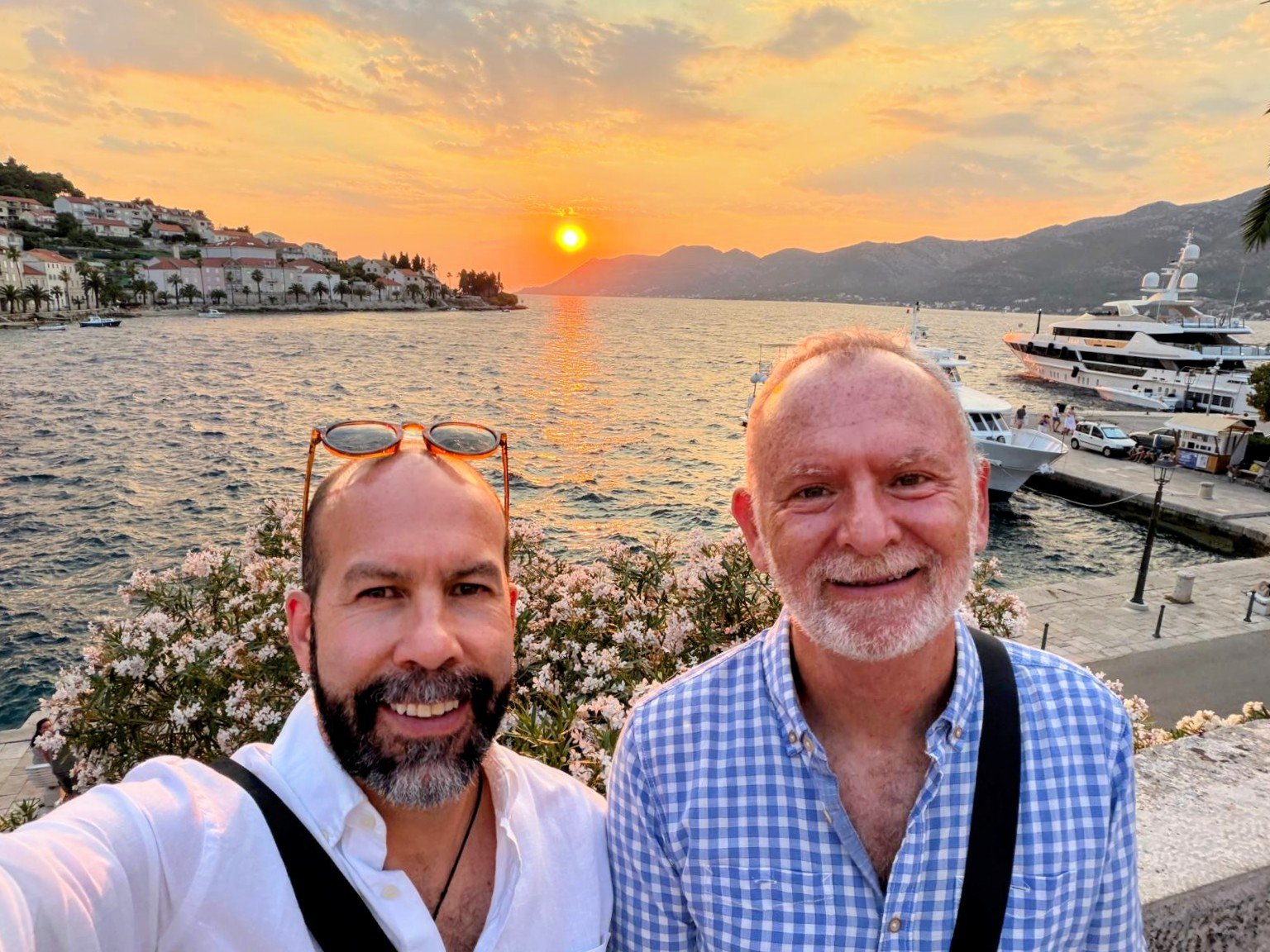
The moment the plan became real
We have spent about two years researching the trip. James has happily disappeared for hours with maps, weather charts, flight options and accommodation searches. The route changed repeatedly as seasons, connections, visa rules and costs pushed us in different directions.
Even with all that preparation, the journey still felt theoretical until two things happened. First, we booked our flight to New Zealand. We had saved airline points for years and watched carefully for the seats to appear. Securing them drew a firm line in the calendar.
Then James handed in his notice after a career spanning three decades. His final day is 13 November, leaving just ten days before we depart. That decision brought excitement, relief and a very understandable amount of fear. Walking away from a job in your fifties is not simply a change of timetable. It means leaving a professional identity, a dependable income and a routine built over many years.
There is no pretending that it feels entirely comfortable. That is also why it feels significant.
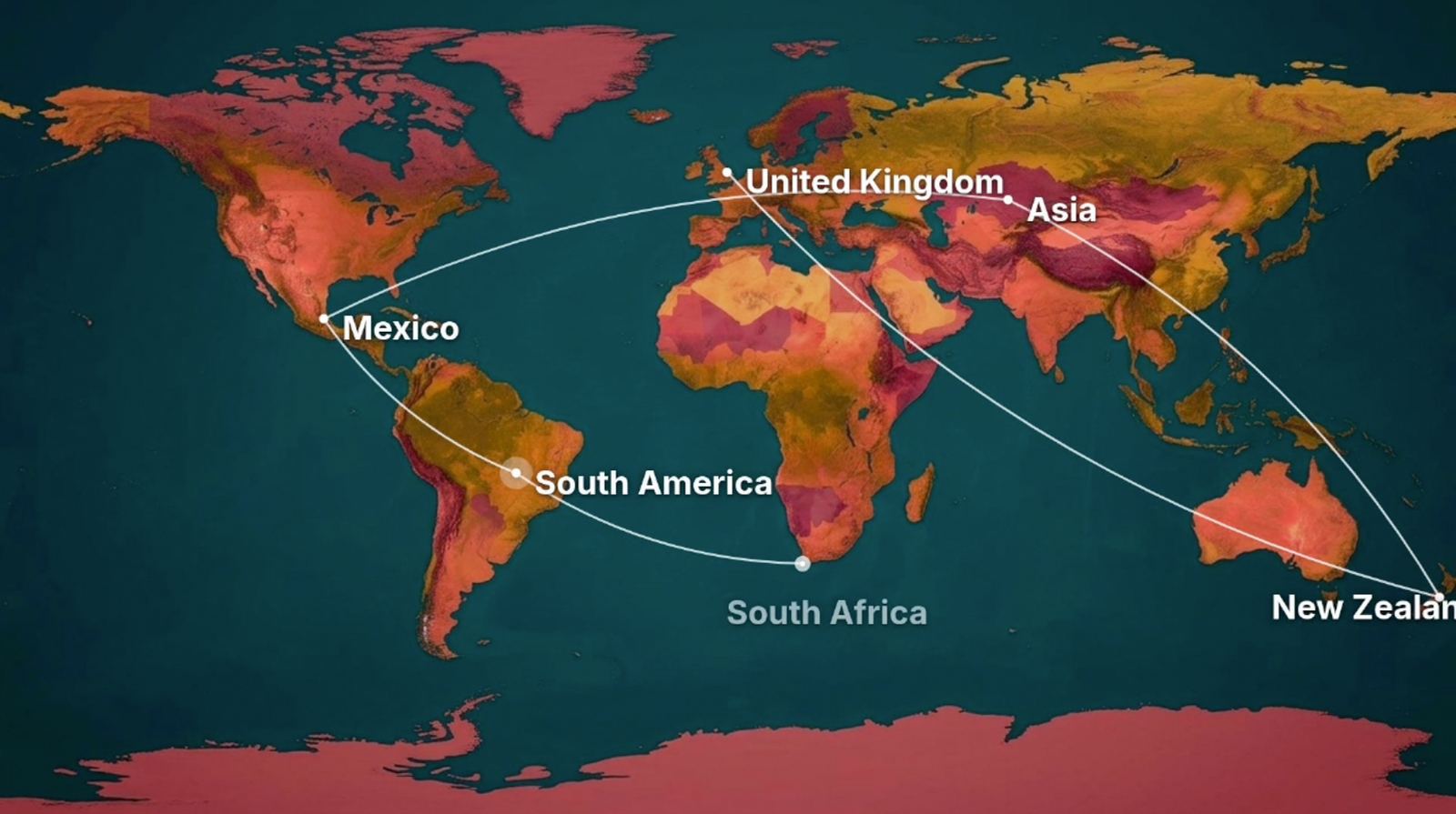
Our route around the world
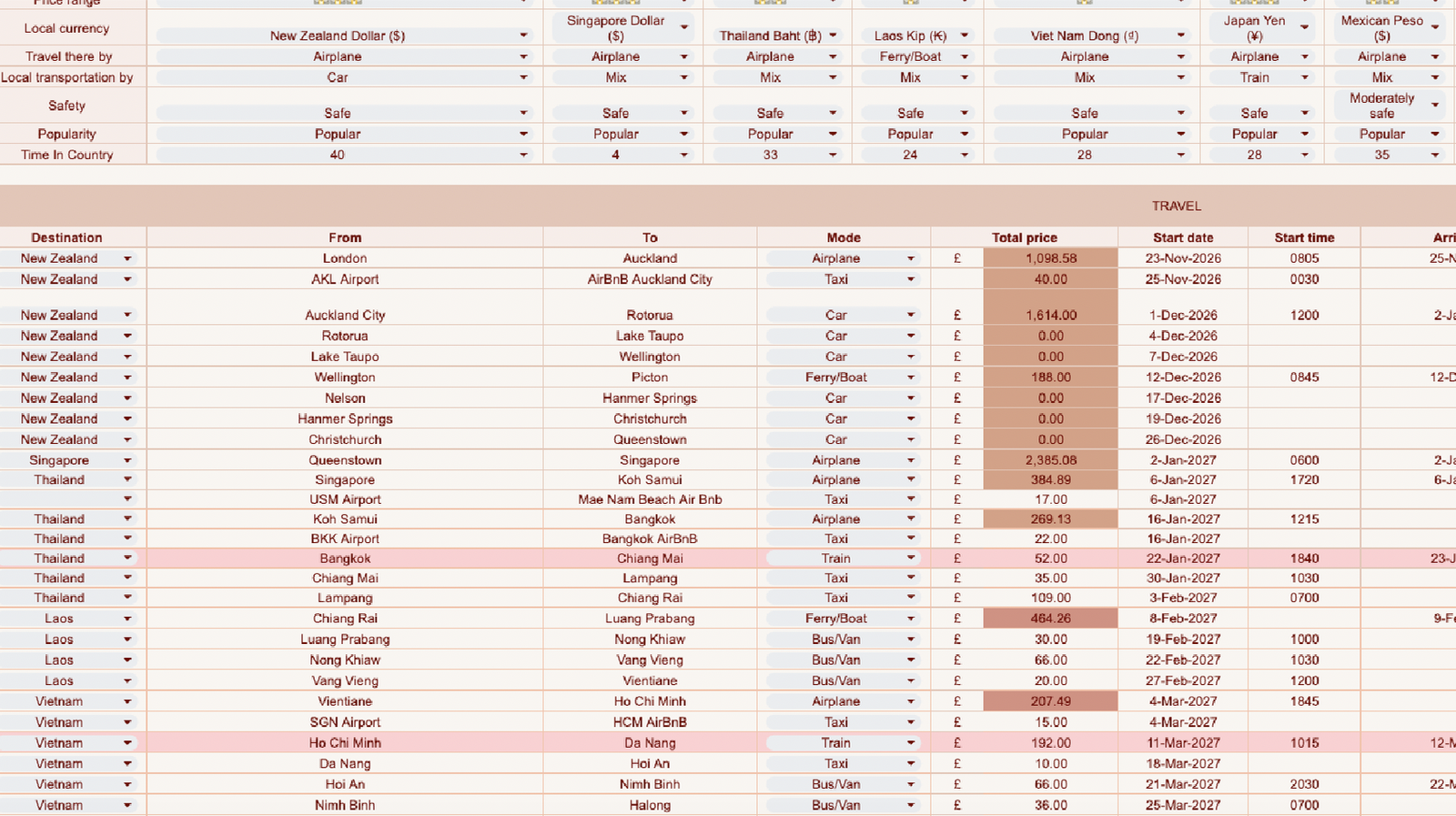
We will begin in New Zealand, continue through Asia, then travel to Mexico and South America before finishing in South Africa. The broad route includes eleven countries and many more individual stops, although the details may still change.
Cape Town remains an important part of our lives. We are not abandoning it. Ending the journey in South Africa gives the year a natural shape, moving from our home in the UK towards our other home in Cape Town.
We have deliberately avoided building a route that requires us to race from place to place. In most destinations we plan to stay for at least a week, often much longer. That should give us time to unpack, buy groceries, do laundry, work on our videos and have days when we do very little.
Those unremarkable days matter. A place can look wonderful during a packed weekend, but that tells you little about living there. Longer stays should help us notice transport, neighbourhood life, convenience, comfort and whether we could genuinely imagine returning for several months.
What worries us about leaving
Planning can solve many practical problems, but it cannot remove uncertainty. James worries about giving up the structure that has shaped most of his adult life. We will swap familiar mornings and established routines for suitcases, flights, trains and a succession of temporary homes.
Rob is conscious of health, sleep and travel fatigue. Adjusting to dozens of different beds may sound like a small concern until you are doing it repeatedly for a year. There is also the question of feeling untethered from friends, family and the reassurance of home.
We expect the emotional experience to change as the year unfolds. The beginning may feel like an extended holiday. Fatigue or homesickness could follow once the novelty wears off. We hope to find a sustainable rhythm, but we will only know what works once we are living it.
How we hope to make long travel sustainable
Slow travel is central to the plan. Moving less often should reduce exhaustion and allow each destination to feel more settled. We will protect quieter days rather than treating every free hour as an opportunity for sightseeing.
We also want to rebuild ordinary routines wherever we are. That might mean finding a local supermarket, returning to the same cafe, taking a regular walk or setting aside a fixed day for editing. Routine is not the enemy of adventure. For a journey this long, it may be what makes the adventure possible.
Anyone considering extended travel after 50 should think beyond flights and accommodation. Insurance, healthcare, medication, entry requirements, banking and access to emergency funds all need careful attention. Rules can change, so official guidance should always be checked again shortly before travel.
It is also worth comparing the full cost of travel with normal life at home. Accommodation is only one part of the calculation. Spending that stops at home, along with transport, food and insurance on the road, affects the true figure.
Looking at destinations through a different lens
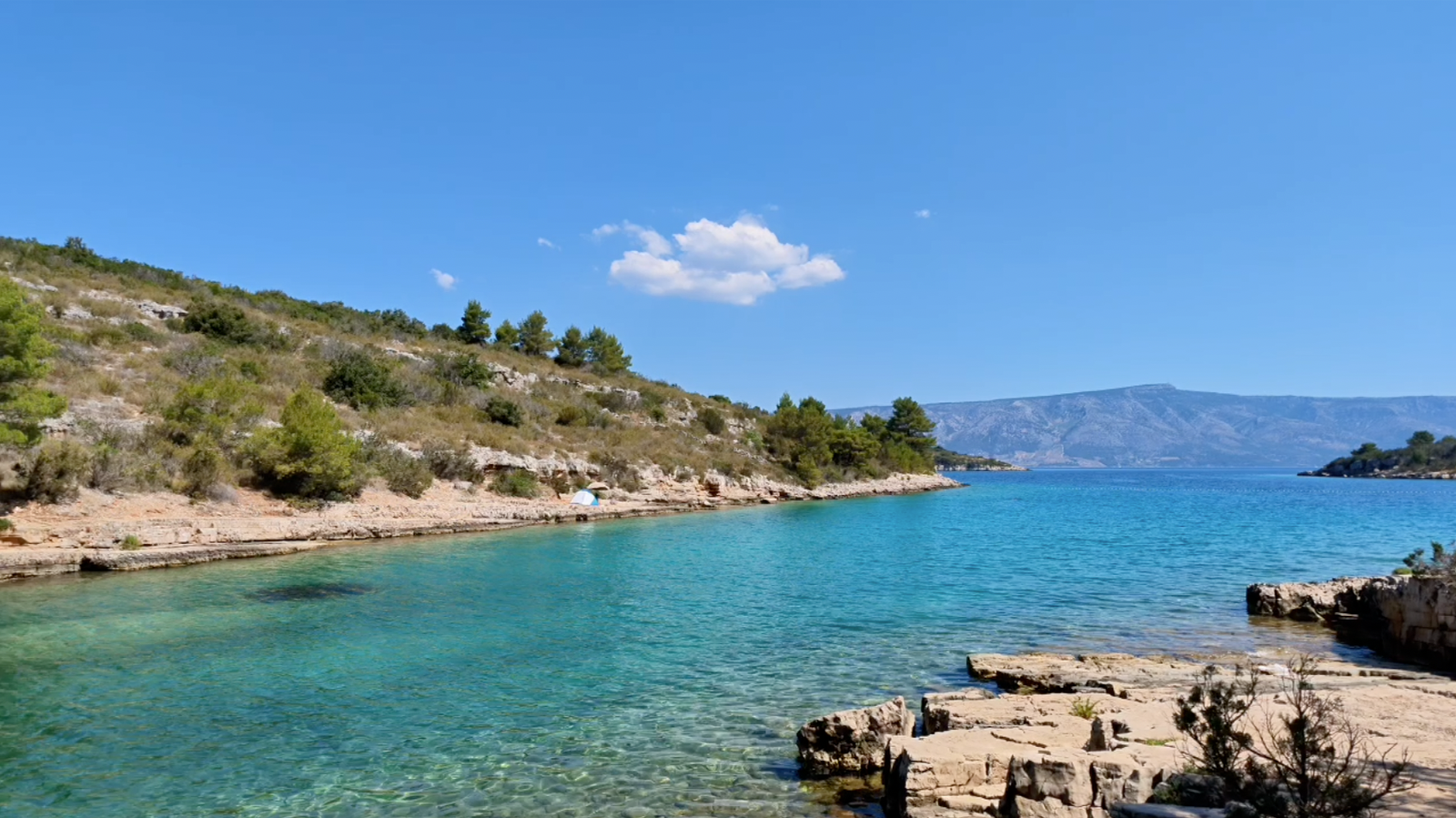
This journey is not only about seeing famous sights. In each destination we will ask whether we could live there, either permanently or for part of the year. We will consider daily costs, transport, healthcare access, safety, comfort and the practical experience of being a couple in our fifties and sixties.
We also want to look beyond polished social media travel. We will share the good parts, but also the compromises, mistakes and places that simply do not suit us.
That honest approach is especially useful for anyone considering retirement overseas, seasonal living or a long break from work. A destination does not need to be perfect to be worthwhile, but it does need to work for the life you actually want.

Practical lessons from our preparation
Start earlier than you think you need to. Our planning has taken two years, and the final weeks will still be busy.
Build flexibility into the route. Weather, entry rules, transport and personal circumstances can all change.
Plan rest as seriously as sightseeing. A year cannot be lived at holiday pace.
Talk openly about fears. Worries about money, health, work and relationships are easier to manage when neither person is pretending they do not exist.
Keep checking whether the plan serves you. Changing direction is not failure. It is one of the advantages of travelling slowly.
Our honest verdict before departure
We cannot yet say whether leaving work to travel for a year is the right decision. We may finish wanting more travel, choose a pattern of several months away followed by time at home, or decide that one year was enough.
What we do know is that continuing to wait felt like the greater risk. We have worked, saved and planned carefully. Now it is time to find out what lies beyond the routines we know.
You can watch our announcement and hear more about why we are making this change. Over the coming months we will share the route, the budget, the preparations and, once we leave, the reality of travelling the world together.
This is not about running away from our lives. It is about using the years when we have the health and curiosity to try something different. There will be uncomfortable moments, plans that fail and days when home feels very far away. There will also be places we never expected to love and experiences we could not have had by staying still.
For the first time, the next year of our lives is not organised around annual leave. That is frightening, exciting and exactly why we are going.