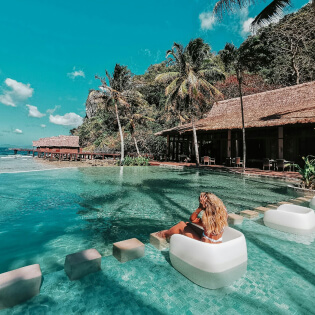
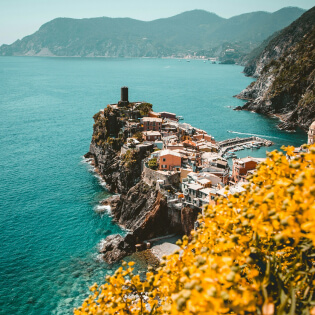
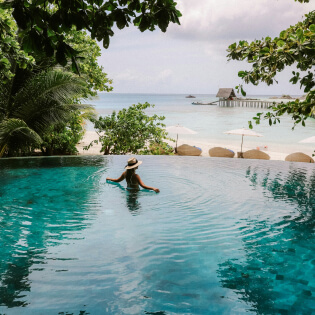
Croatia gave us spectacular scenery, memorable island towns and a surprisingly clear answer about the kind of summer life we actually want.
Choosing somewhere for a holiday is one thing. Choosing somewhere you might return to for weeks or months every year is a very different test.
We already know that Cape Town works well for us during the Northern Hemisphere’s winter. What we had not solved was summer. Could we find a European base with warmth, history and an easy outdoor life?
Croatia looked promising. We had briefly visited before on a cruise, but a few hours ashore tell you almost nothing about ordinary life. This time, we wanted to look beyond the postcard views and ask a more practical question: could we actually build a routine here?
The answer was more complicated than we expected.
Why Croatia Seemed Like a Natural Choice
Croatia appeared to offer much of what we wanted: clear Adriatic water, historic towns, island connections and a relaxed café culture. We imagined slow mornings, walks by the waterfront and simple days that combined travel with the comforts of a familiar routine.
We also hoped for better everyday value than in some of Europe’s famous coastal destinations. Over four, six or eight weeks, ordinary costs matter.
We wanted good value and quality of life, with shops, transport, healthcare and a gym within reach. We also needed somewhere we could feel comfortable as a married gay couple.
Four Croatian Towns, Four Different Impressions
The trip quickly showed us why one destination should never be used to judge an entire country.
Split: fascinating, but tiring
Split’s old town is undeniably impressive. Its history and stone buildings give it tremendous atmosphere, and it works well as a lively city break.
For a longer stay, though, the constant flow of visitors concerned us. Cruise crowds and people searching for the perfect photograph made parts of the centre feel geared towards short visits rather than ordinary life. That energy can be fun for a few days; returning to it every summer might feel exhausting.
Hvar Town: beautiful and unmistakably popular
Hvar Town offered another spectacular harbour, but it brought similar doubts. It felt busy, expensive and shaped by day-trippers and yacht traffic. We could appreciate its beauty without being able to imagine it as our seasonal home.
That distinction became central to the trip: admiring a place is not the same as wanting to live there.
Stari Grad and Korčula: the closest matches
Stari Grad was Rob’s favourite. It felt calmer and offered more breathing space. It was easier to picture a normal morning there: walking for coffee, sitting by the water and recognising familiar faces after a few weeks.
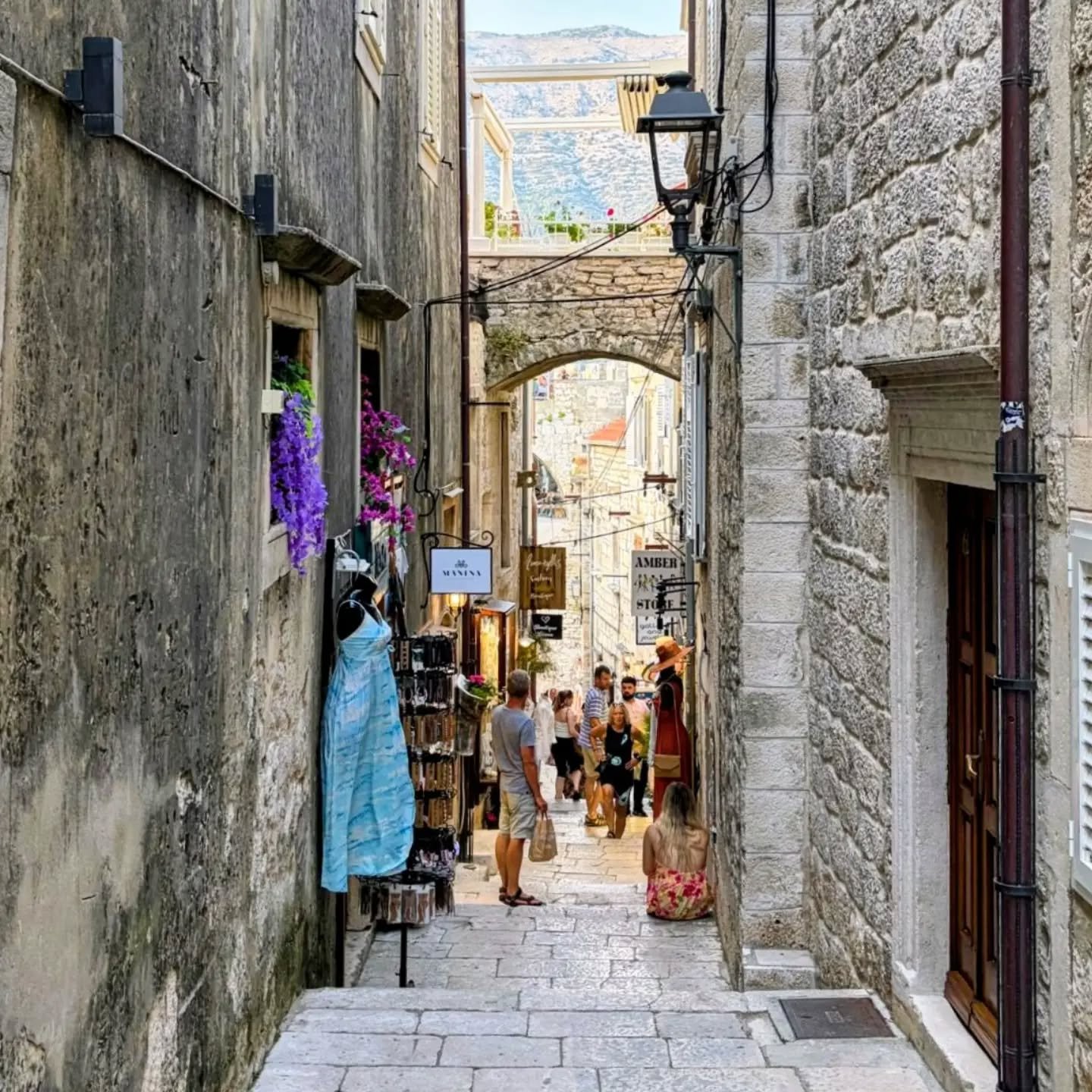
James preferred Korčula. Its old town, narrow lanes and strong sense of character made it feel distinctive rather than generic. It had the atmosphere we wanted and seemed more suited to a slower pace.
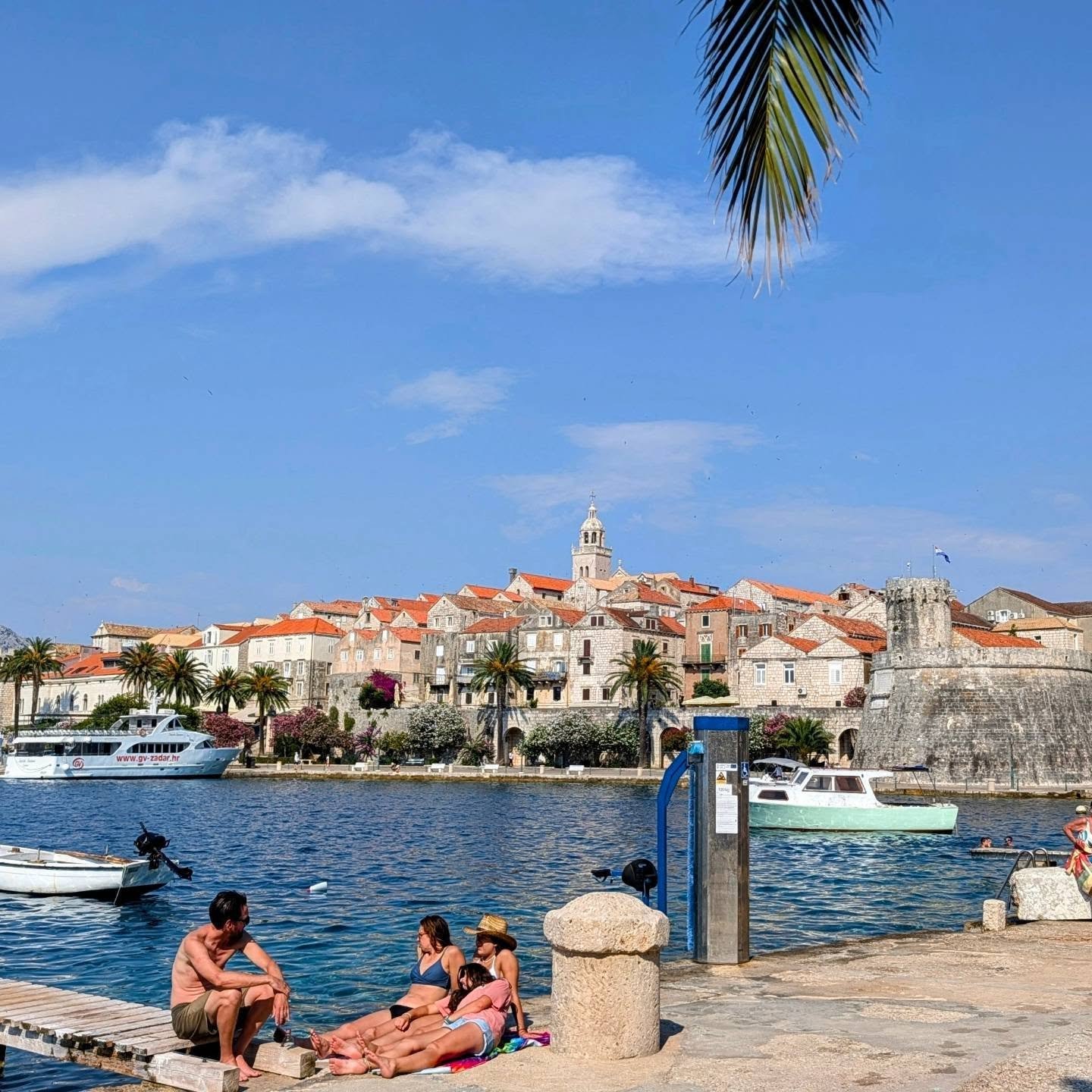
These two came closest, but neither removed our wider concerns about heat, cost and summer crowds.
The Practical Reality of a Croatian Summer
When you are considering a long stay, the least glamorous details often matter most.
Heat changes the shape of the day
We experienced temperatures of roughly 35°C to 40°C. Walking in the middle of the day became tiring, and we found ourselves organising our time around shade, cold water and air conditioning.
We want warmth and outdoor living, but not if every errand becomes an endurance test. July and August—the very months when a European summer base would be most useful to us—can also be hotter and busier. A town that feels perfect in a gentler month may be completely different at the height of summer.
Travellers over 45 should be particularly honest about their comfort in sustained heat. Think beyond sightseeing: could you carry groceries, walk to dinner or wait for a ferry comfortably? Is the accommodation air-conditioned, and are steep streets or long walks unavoidable?
Everyday costs soon accumulate
Croatia did not feel as affordable as we had expected in the coastal destinations we visited. Meals and cocktails were often expensive, while even an ordinary soft drink could cost more than anticipated. Local wine and beer tended to feel better value, but it was the total cost of a normal day that mattered.
Accommodation is only the beginning. Add breakfast, coffee, groceries, transport, ferries, a gym, dinner and the occasional drink, then multiply that pattern across several weeks. A holiday budget might absorb the expense briefly; a retirement or long-stay budget has to remain comfortable and sustainable.
This does not mean every part of Croatia is expensive. We did not test the whole country, and less-visited areas may offer different value. Our verdict applies to the places we genuinely considered as possible bases.
Tourism affects more than the view
Crowds do not simply make attractions busier. They can change transport, restaurant availability, noise levels and the whole rhythm of a town. Even the quieter places may feel different when the season peaks.
For a long stay, ask what an ordinary Tuesday would look like after the novelty has faded. Can you buy groceries easily, do laundry, exercise and find a quiet café? Would you still enjoy the location when you are answering emails or buying toothpaste rather than sightseeing?
Five Tests for Choosing a Long-Stay Base
Croatia gave us a practical checklist that we will use for future destinations.
- Visit during the season when you intend to stay. Weather, prices and crowds can transform a place. Do not assess an August base only in April.
- Calculate the cost of an ordinary day. Include groceries, coffee, transport, meals, drinks, exercise and routine services—not only flights and accommodation.
- Test more than one location. Split, Hvar, Stari Grad and Korčula gave us very different perspectives.
- Imagine life without sightseeing. Look for supermarkets, pharmacies, laundry, healthcare, transport and places where a routine could develop.
- Make sure you can afford to enjoy it. A seasonal home should improve your life, not leave you constantly avoiding activities or worrying about money.
Assess accessibility, medical needs and insurance before committing. Old towns can involve polished stone, steps and uneven lanes, while island travel may depend on ferry timetables.
The Schengen Limit for British Travellers
There is another practical issue for British passport holders. Croatia is in the Schengen area, and UK visitors can normally travel visa-free within Schengen for up to 90 days in any rolling 180-day period. Time spent in other Schengen countries counts towards the same allowance.
That creates a choice: use most of the allowance in one summer base, or preserve days for travel elsewhere. Longer stays require checking Croatia’s own visa or residence requirements.
We checked this guidance in July 2026, but entry arrangements can change. Before travelling, consult the official UK guidance for Croatia and confirm that your passport, insurance and planned length of stay meet the current rules.
What Croatia Taught Us About Our Future
Why not remain in the UK each summer? Home brings friends, family and familiar healthcare. Yet rising costs, unpredictable weather and our changing feelings about the country mean staying here by default is not the complete answer.
Croatia helped us define the middle ground we are seeking: somewhere warm enough for outdoor life but cool enough for walking; calmer than the busiest tourist centres; well connected; comfortable for us as a couple; and affordable enough that we can enjoy daily life rather than merely pay for accommodation.
That place might be elsewhere in the Schengen area, somewhere with an appropriate long-stay option, or a European country outside Schengen. The important change is that we are no longer asking only where our summer base should be. We are asking what kind of life we want that base to support.
Our Balanced Verdict
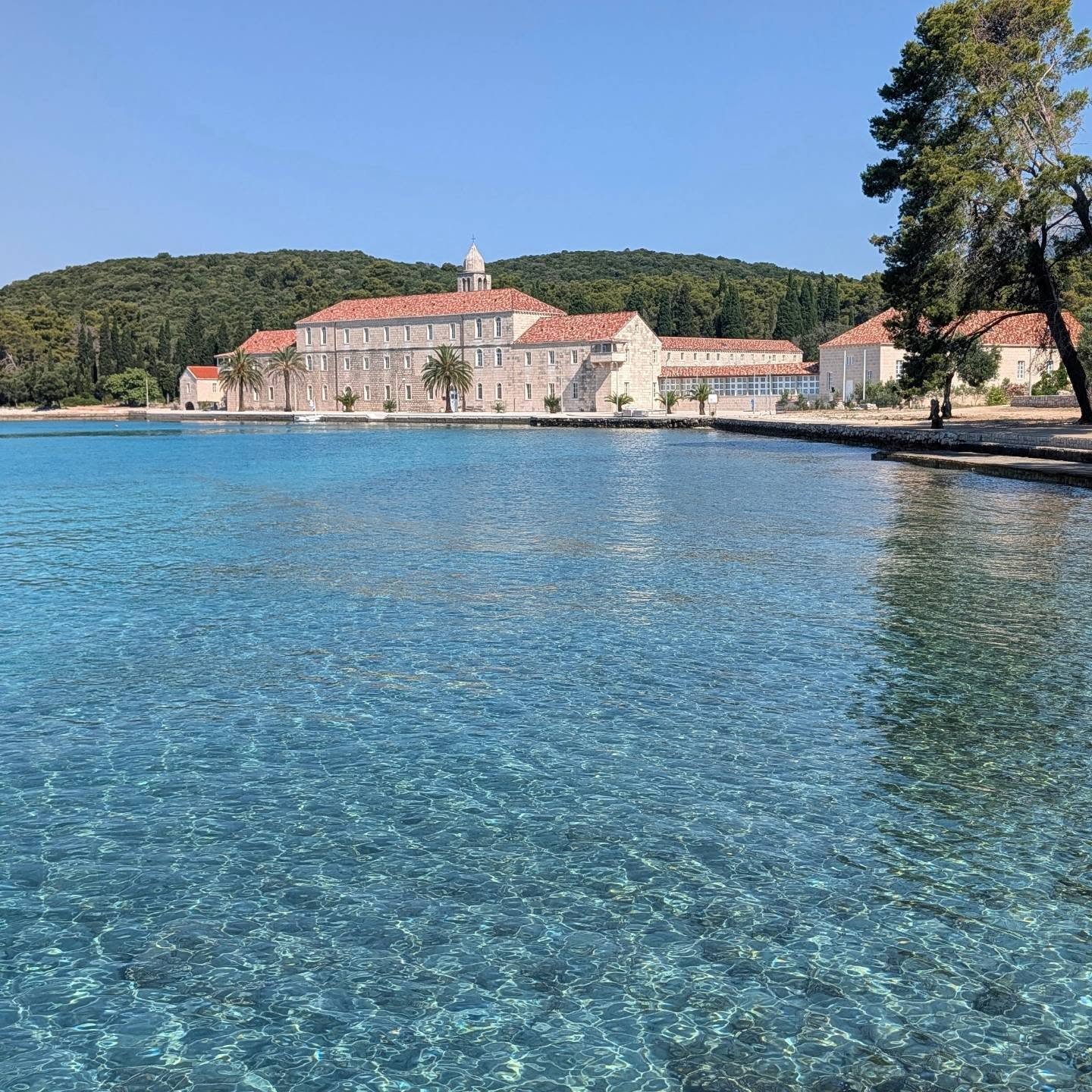
Croatia did not fail as a destination. Its coastline is beautiful, its water remarkably clear and its towns full of history and character. We would happily return for a holiday.
As a regular summer base for us, however, it fell short. Split and Hvar felt too busy, while Stari Grad and Korčula—although much closer to what we wanted—could not overcome our concerns about extreme heat, peak-season crowds and everyday cost.
Sometimes discovering where you do not want to live is as useful as finding somewhere you love. This was not a failed trip; it was a successful test that gave us an honest answer.
You can see more of the places behind that decision in our related Croatia video. For now, the search continues—with a clearer checklist, sharper priorities and a much better understanding of the summer life we hope to create.