A long flight, one crucial passport stamp and a great deal of worry. Rob shares what it took to activate his South African permanent residency.
Flying from Britain to South Africa for one passport stamp sounds rather extreme. Yet that was exactly what Rob needed to do after his South African permanent residency was approved.
The journey was not a holiday in the usual sense. Its main purpose was to make the required first entry, show the right paperwork and leave Cape Town International Airport with the correct endorsement in his passport.
After a lengthy application process, this final step carried more weight than the simple act of arriving at passport control. Rob knew that an error could create further uncertainty. He also had a year of travel approaching, so leaving the trip until later did not feel sensible.
James and Rob had already experienced how unpredictable immigration decisions can be. Rob received permanent residency, while James did not. James has appealed, but the different outcomes made it difficult to assume that anything would be straightforward.
Why Rob needed to return to South Africa
Approval was an important milestone, but Rob still needed to follow the arrival instructions attached to his residency. That meant entering South Africa within the stated period and making sure immigration recorded him correctly.
It was tempting to think of the journey as a formality. In practice, the flight, accommodation and time involved made it a significant commitment. Rob was travelling thousands of miles shortly before he and James were due to begin their much larger trip around the world.
There was also a simple concern behind all the planning. What if the official applied the usual visitor entry instead of recognising the permanent residency? After investing so much time and money in the application, Rob did not want to walk away from the desk without checking.
This is useful advice for anyone activating a visa or residency permission. Do not assume that the official will know your personal circumstances. Carry the documents named in your approval, explain why you are entering and check the passport before leaving the counter.
Packing light for a focused trip
Rob travelled with cabin luggage rather than checking in a suitcase. The Level8 case had enough space for the trip, while still being easy to move through airports and into a car.
A vacuum bag helped compress the clothing. The packed case weighed about eight and a half kilograms, so Rob had room within the airline limit and did not need to struggle with a heavy bag.
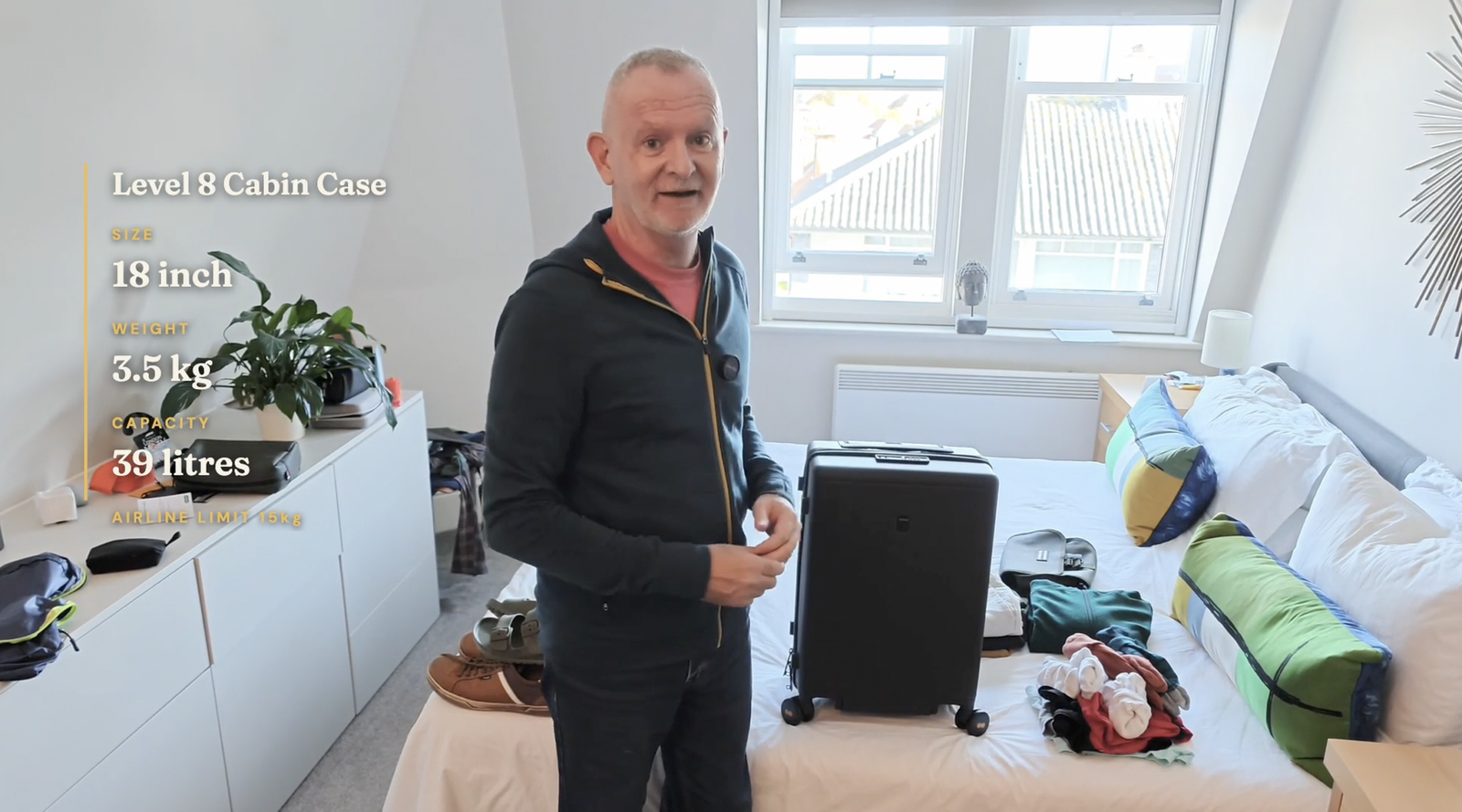
For travellers over 50, reducing physical strain can matter more than squeezing in extra outfits. A smaller case is easier on escalators, in hotel corridors and when getting into a taxi. It also removes the wait at the baggage belt and the risk of checked luggage arriving late.
Hand luggage only will not suit every journey. Medicines, liquids, walking equipment and airline limits can change what is practical. Rob knew what he needed for this trip and packed around that purpose.
He also stayed at the Bloc Hotel inside the airport before his flight. The room was basic and compact, but the location removed the worry of an early journey through London traffic. It was a practical purchase rather than a luxurious one.
The worries before arrival
The weather added another concern on departure day. Grey skies and storms made delays feel possible. Rob also kept thinking about the documents, the entry process and whether the journey might be wasted because of a small administrative problem.
Rob focused on what he could control. His paperwork was accessible. He knew the purpose of the visit. He had arranged his arrival transport and packed in a way that let him leave the airport quickly.
That preparation did not remove every anxious thought, but it prevented avoidable problems. If you are travelling for immigration or other official business, keep important documents in your personal bag. Take copies where appropriate and know exactly what result you need before you reach the counter.
What happened at Cape Town immigration
Rob arrived in Cape Town late at night and went straight to passport control. With no checked bag to collect, there was nothing to delay him after immigration.
The moment he had worried about was surprisingly brief. The official looked at the paperwork and stamped the passport. Rob checked that the entry had been recorded for permanent residency rather than as an ordinary visitor.
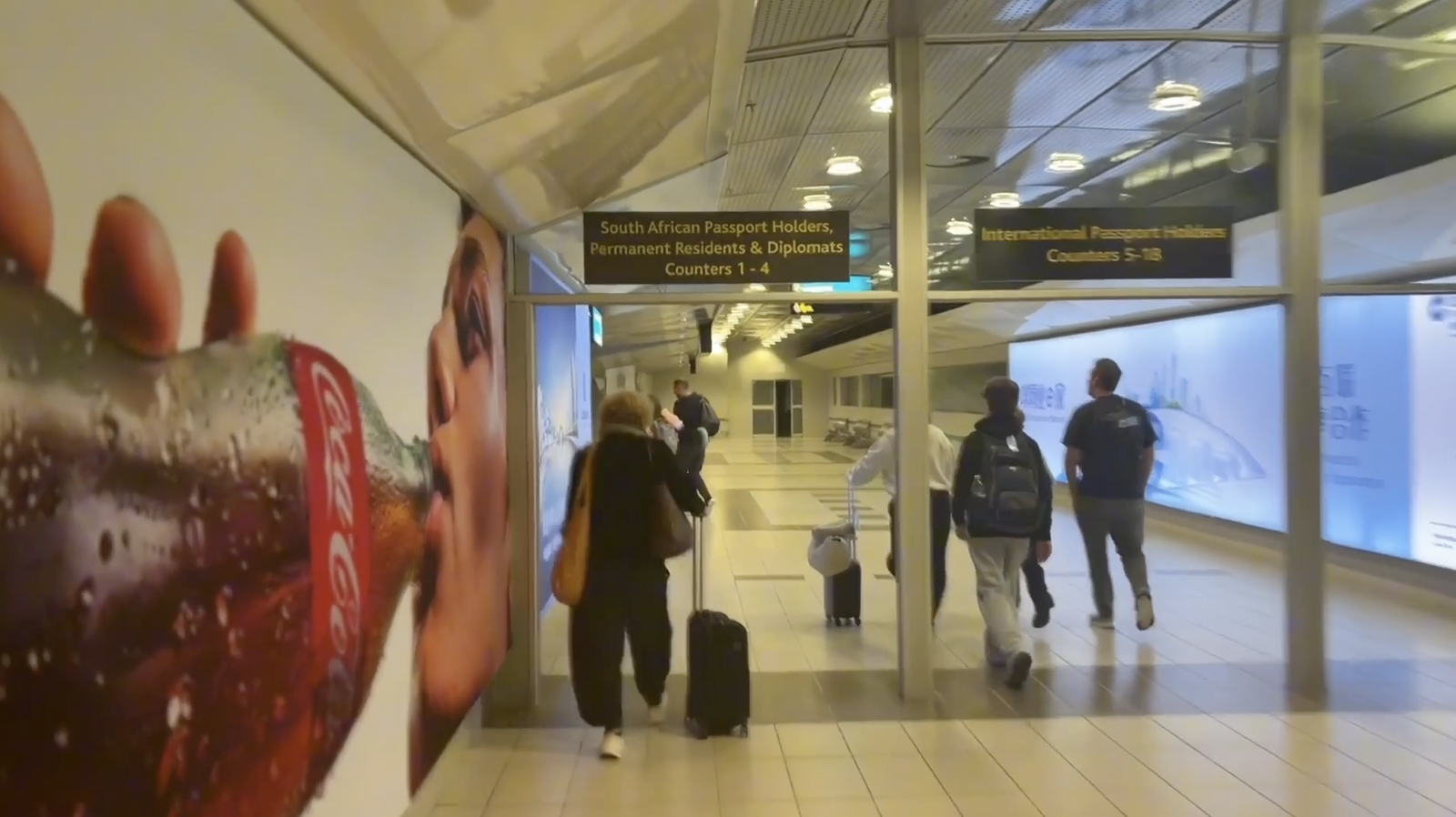
There was no long interview and no dramatic celebration at the desk. The relief came from seeing that the stamp was correct. After months of applications, fees and uncertainty, the essential step took only a short time.
Getting from the airport safely
After a late arrival, Rob used Uber for the journey to Sea Point. He booked the car while walking towards the designated collection area and waited only a few minutes.
Choosing familiar transport reduced the number of decisions he needed to make after a long flight. He did not have to collect a hire car, navigate unfamiliar roads at night or work out parking on arrival.
That does not mean one option will suit every visitor. Airport arrangements and local conditions can change. Check the current official guidance before travelling, use the designated collection point and confirm the vehicle and driver details in the app before getting in.
If you would rather drive, consider staying near the airport and collecting the car in daylight. The best choice is the one that leaves you alert and comfortable, particularly after an overnight journey.
What the stamp meant for James and Rob
For Rob, the stamp was more than another mark in a passport. It confirmed that the permanent residency approval had moved from paperwork into something real and usable.
It also protected an important option for the future. James and Rob are not treating Cape Town as a simple retirement fantasy. They have spent time there, considered the practicalities and spoken honestly about why they may or may not live there for longer periods.
Rob can now plan with the security of his own status. James still has a separate process to resolve, so the couple cannot pretend that every question has been answered. One successful application does not guarantee the same result for a spouse or partner.
That uneven outcome is one reason their story matters. International moves rarely follow a neat shared timetable. Couples may face different decisions, different evidence requirements and different waiting periods. It helps to plan for that possibility rather than assuming both applications will move together.
Practical lessons from the journey
Rob would still prepare carefully if he had to repeat the trip, but he would try not to let the imagined problems take over. Most of the issues he feared did not happen.
These were the most useful lessons:
- Read the instructions attached to your own approval and do not rely on somebody else’s experience.
- Carry the original documents requested and keep them easy to reach.
- Explain the purpose of your entry clearly and politely.
- Check the passport endorsement before leaving the immigration desk.
- Keep your luggage simple when the trip has one main purpose.
- Arrange late arrival transport before you land.
- Allow for delays when an official deadline is involved.
Immigration rules and procedures can change. Anyone planning a similar journey should confirm the current requirements directly with the relevant authority or a qualified adviser before booking travel.
Was flying 6,000 miles worth it?
In pure travel terms, it was an expensive and inconvenient way to obtain one stamp. Rob had to make a long journey, spend money and fit the trip around preparations for a year abroad.
Against that, the journey completed an important legal step and preserved a future that James and Rob have worked hard to create. The value was not in the stamp itself. It was in the certainty and choice that came with it.
The visit also brought Rob back to a city that already feels familiar. Once the formal task was complete, he could reconnect with friends and remember why Cape Town remains part of their longer term plans.

You can watch Rob’s full journey to Cape Town and see what happened at immigration.
The balanced verdict is simple. Nobody would choose to fly this far for paperwork if an easier option existed. Yet when residency affects where you may live, how long you may stay and what choices remain open later in life, following the required process is worth the effort.
For Rob, the feared moment at passport control passed quickly. The result will shape decisions that James and Rob make for years to come.