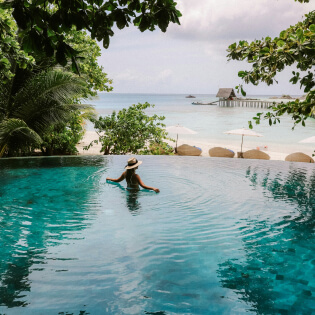
Split is beautiful, historic and brilliantly connected, but could it work as a comfortable base for a longer stay after 50?
Split makes a strong first impression. The harbour sparkles, the old stone streets invite you to wander and ferries promise easy escapes to the islands. On the surface, it looks like an obvious place to spend a long summer by the Adriatic.
We were looking beyond a short holiday. Our question was whether Split could replace the UK half of our year, with summers in Croatia and winters in Cape Town. That changes what matters. A beautiful view is welcome, but so are walkability, sensible costs, manageable heat and the chance to settle into an everyday routine.
After three days in the city, we understood both sides of Split. It offers history, swimming, café life and convenient transport. It also brings crowds, high summer temperatures and prices that surprised us.
A dramatic arrival with an immediate warning
Our first view of Split was the harbour, and it was every bit as attractive as expected. Two cruise ships were in port, however, and the centre was already packed. That contrast became one of the main themes of our stay.
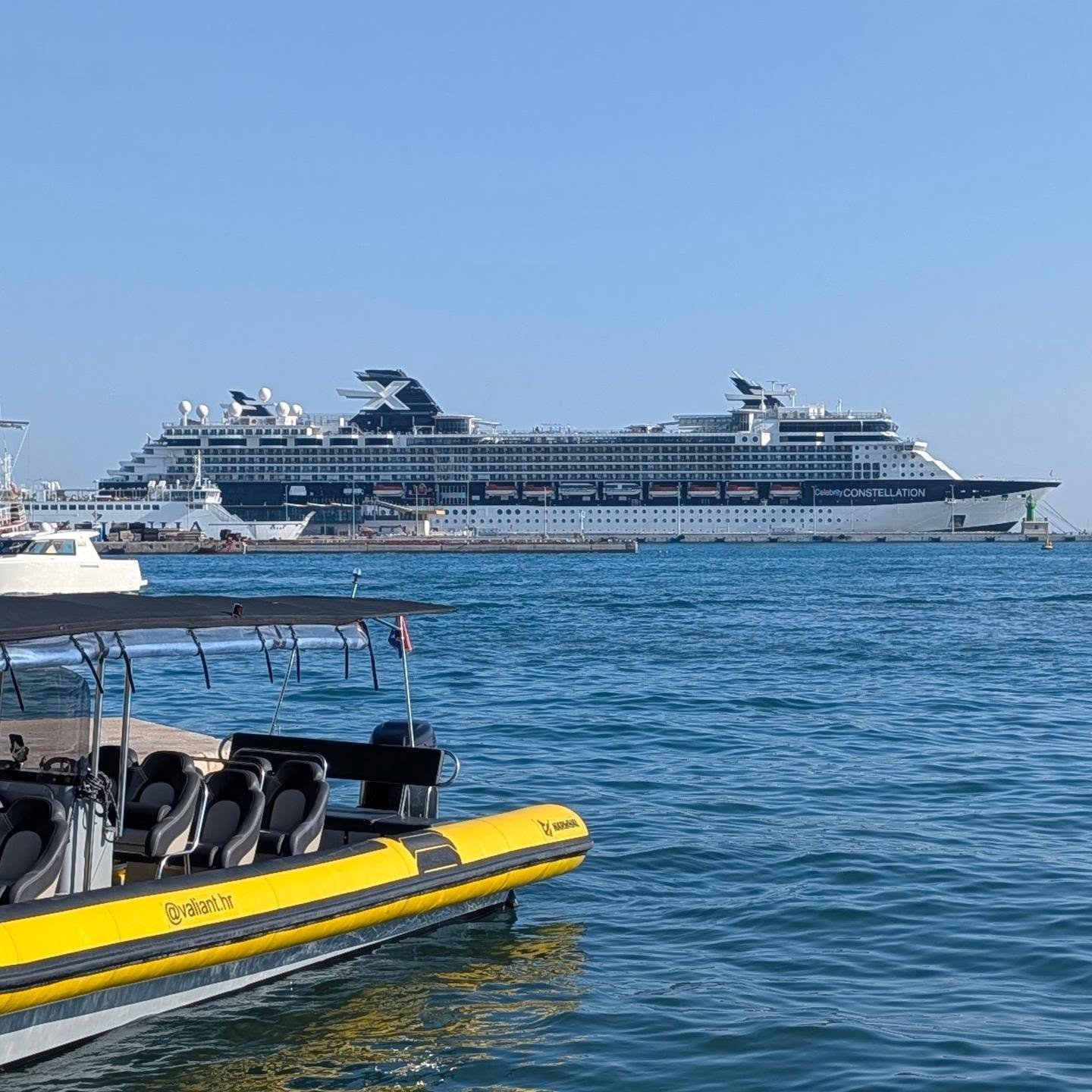
The city can look calm and spacious in carefully framed photographs. In reality, the lanes around the main sights may be full of tour groups, queues and people trying to capture the same view. Popular food shops can attract long lines after gaining attention online.
Early mornings and evenings felt more comfortable. Once the cruise visitors left, the centre became easier to enjoy and the temperature dropped.
If you are considering a longer stay, check the cruise schedule and choose accommodation away from the busiest pedestrian routes. Central convenience is useful, but constant noise and crowds may become tiring after the novelty wears off.
Living inside the history of Split
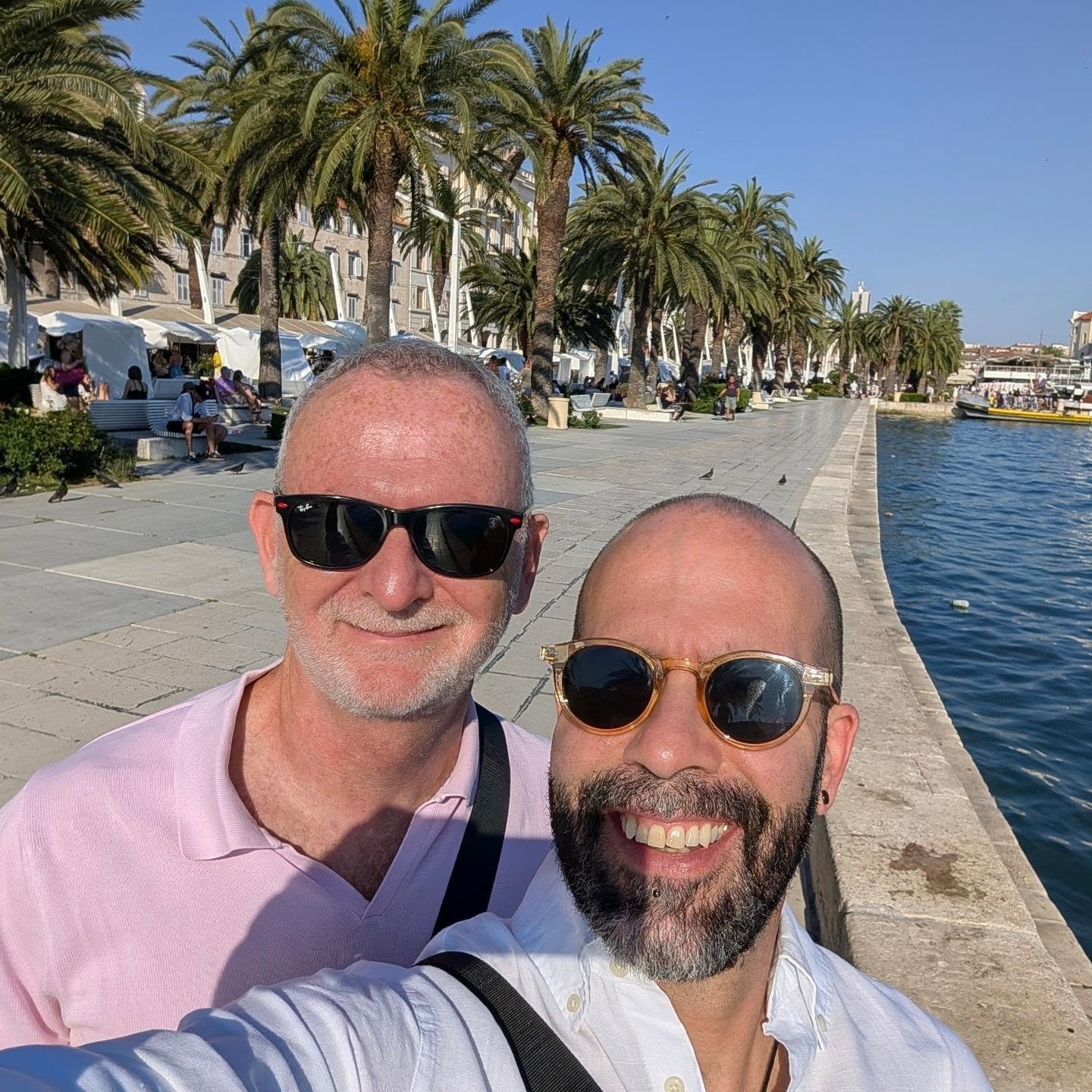
We stayed in a small apartment in the Old Town, close to everything we wanted to see. It had a large bed, a kitchenette and a compact bathroom. Part of the building incorporated an ancient wall, which summed up the experience of staying in central Split. History is part of daily life rather than something kept behind museum doors.
Diocletian’s Palace was built for the retirement of the Roman emperor Diocletian. Today, its remains contain homes, shops, cafés and restaurants. You can walk through arches and courtyards, then turn a corner and find people going about an ordinary day.
The palace cellars also gave us welcome relief from the heat. The stone interior felt much cooler than the streets above, making it a useful place to explore during the hottest part of the day.
For several weeks or months, we would look carefully at space, air conditioning, kitchen facilities and access. Historic buildings have character, but narrow stairs and small rooms may be less practical if mobility is a concern.
Getting around without a car
One of Split’s biggest advantages is how much transport sits close together. The ferry port, bus station, airport shuttle, taxi ranks and Old Town are all within a compact area. That makes arriving, leaving and planning island trips relatively straightforward.
We paid about 25 euros for a transfer from the airport for both of us. We also saw higher prices, and an Uber search showed roughly 33 to 34 euros at a busy time. These were the prices during our visit, not fixed rates. Demand and provider can change the cost, so compare current options before travelling.
The airport shuttle can offer a cheaper alternative, while a booked transfer may suit you better if you have heavy luggage or limited mobility. The important point is to check the final price before committing. Busy ferry arrivals can increase demand for taxis.
Once settled, we found the centre easy to explore on foot. Anyone staying outside the centre should check bus routes, gradients and the walking distance to shops before booking.
From city break to everyday routine
The moment Split began to feel like a possible base came when we stopped sightseeing. We walked for about half an hour west of the centre, found shade beside the water, went swimming, rinsed off and took our time returning.
That ordinary day mattered more than another major attraction. Longer stays need a rhythm that still feels pleasant after the first week. In Split, that could mean coffee in the morning, a swim before the heat builds, lunch at home and an evening walk when the centre is calmer.
Many swimming spots are rocky or pebbly rather than sandy. Some have platforms, steps into the sea, changing areas and showers. Water shoes would make entry more comfortable, especially if your feet or balance need extra support. Shade can be limited, so take water and avoid the strongest sun.
We also joined a boat trip to the Blue Lagoon and Trogir. It showed how easily the sea and nearby islands can become part of life in Split.

The cost of eating and drinking
Split was more expensive than we expected. During our visit, an Aperol Spritz often cost about 10 or 11 euros. Breakfast for two could reach about 30 euros, while dinner with drinks could cost 70 or 80 euros, depending on the restaurant and what we ordered.
Those figures reflect our visit and should be checked against current menus. They do show why a longer stay needs a different approach from a weekend break. Eating every meal in the most popular parts of the Old Town would quickly increase the budget.
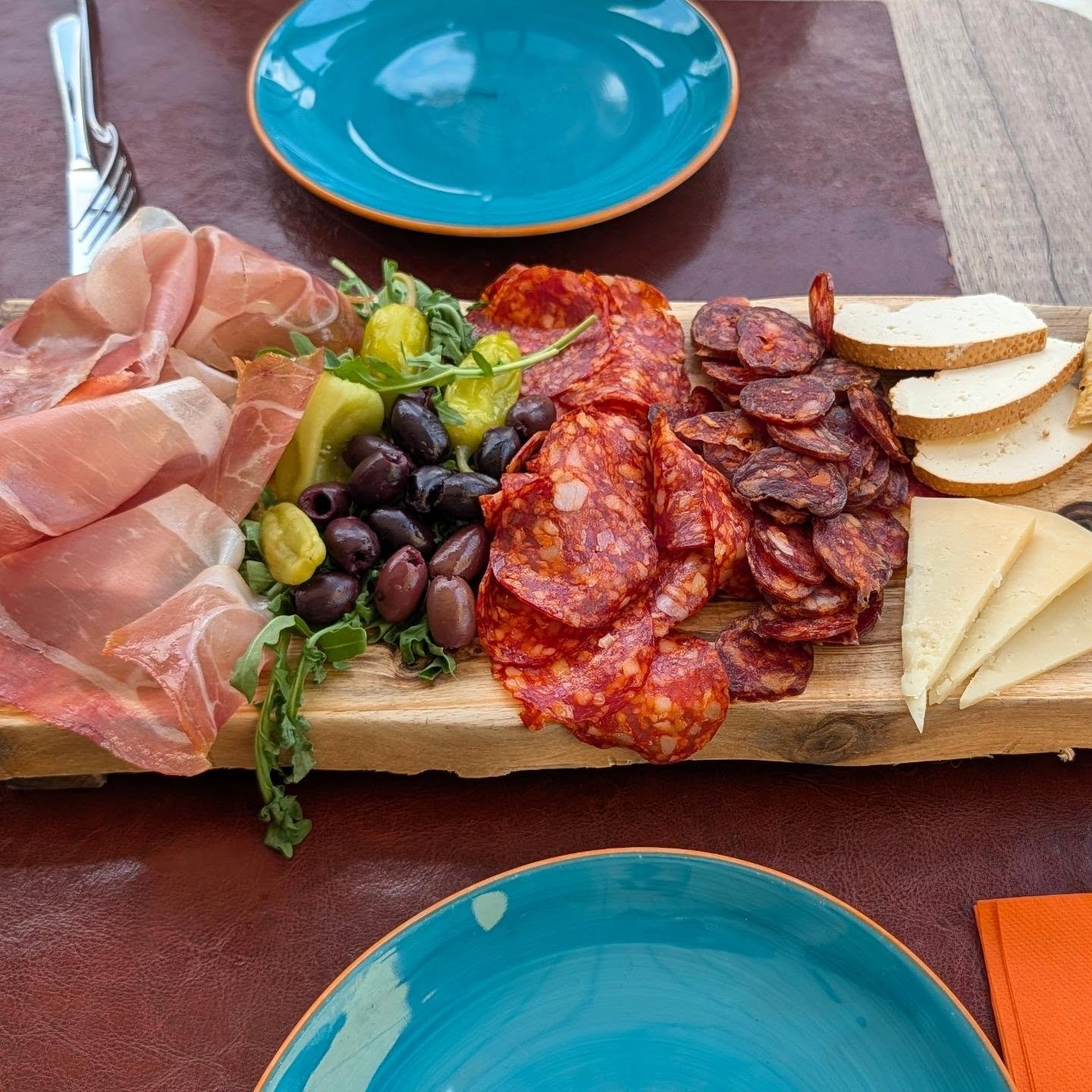
A kitchenette becomes valuable when you stay for several weeks. Breakfast at home, simple lunches and local shopping can leave room for meals out without turning every day into holiday spending. Looking a few streets beyond the busiest squares may also produce better value.
We enjoyed the food and service, and portions were often generous. The concern was not quality. It was whether the total cost would feel comfortable over an entire summer.
Heat, crowds and the right time to stay
We visited in June during a period of unusually hot weather. Temperatures were already in the middle thirties and humidity made walking less comfortable. July and August would be a serious consideration for us if we planned to stay for months.
Heat affects daily life differently when you are living somewhere. You need to shop, cook, sleep and get around, even on the hottest days. Reliable air conditioning, shade and easy access to the sea would be essential.
The summer crowds may also feel relentless if your home is in the centre. A shoulder season stay could offer a better balance. Our boat skipper suggested October, when the water may still be warm and visitor numbers lower. Conditions vary from year to year, so check the forecast and seasonal transport before booking.
For us, late spring or early autumn would probably make more sense than the height of summer. You could still enjoy outdoor life while avoiding some of the pressure on streets, restaurants and accommodation.
Practical advice for a longer stay
- Choose accommodation for comfort as well as location. Check air conditioning, stairs, kitchen facilities and street noise.
- Compare airport transport prices before arrival, especially if several ferries or cruise ships are due.
- Plan sightseeing for early morning or evening, when the temperature and crowds may be easier.
- Take water shoes for rocky swimming areas and confirm that your chosen access point suits your mobility.
- Build self catering into your budget rather than relying on central restaurants for every meal.
- Consider a stay outside peak summer if heat and congestion reduce your enjoyment.
- Check current prices, timetables and opening details directly before travelling.
Could we retire in Split?
Split passed our holiday test easily. It is beautiful, full of history and wonderfully placed for exploring the Adriatic. We could also imagine finding a satisfying routine here, with morning swims, relaxed coffees and regular trips to nearby islands.
It did not quite pass the test of replacing the UK for an entire summer. The combination of crowds, heat and higher costs would make several continuous months difficult for us, particularly in July and August.
A stay of one or two months is a different matter. In the right season, with a comfortable apartment outside the busiest lanes, Split could be a rewarding base. It offers enough activity to keep life interesting and enough access to the sea to make ordinary days feel worthwhile.
Our verdict is a qualified yes for a longer stay, but not for a full summer retirement base. Split works best when you plan around its pressures instead of ignoring them.
You can also watch our Split retirement test on YouTube to see the city, our accommodation, the crowds and the swimming spots for yourself.