Many people assume South Africa is much cheaper than the UK. I used to think that too. It seems like a safe bet. South Africa has great weather, amazing views, and strong value for tourists. It often feels like your money goes further there.
But is that still true in 2026?
That question came up after a simple weekly task. A supermarket shop. Prices have risen in many places. South Africa is no different. So Rob decided to test the idea in practice. He compared a shop at Checkers in South Africa with a shop at Morrisons in the UK. He picked 44 everyday items. He ignored special offers. He tried to match products as closely as possible. Then he added up the totals.
The result was not what he expected. In fact, it may surprise you, too.
Why this comparison matters
Cost of living shapes travel choices. It also shapes retirement plans, long stays, and part-time life abroad. Many people look at South Africa and think it offers a far cheaper lifestyle than the UK. In some ways, that is still true. Eating out can feel cheaper. Wine can feel cheaper. Scenic living can feel like a better value.
But grocery shopping tells a more detailed story.
This was not a formal study. It was a real shop. It used items that many people buy every week. That makes it useful. It shows how the cost of normal life can differ from the image people have in their heads.
Fresh produce gave mixed results
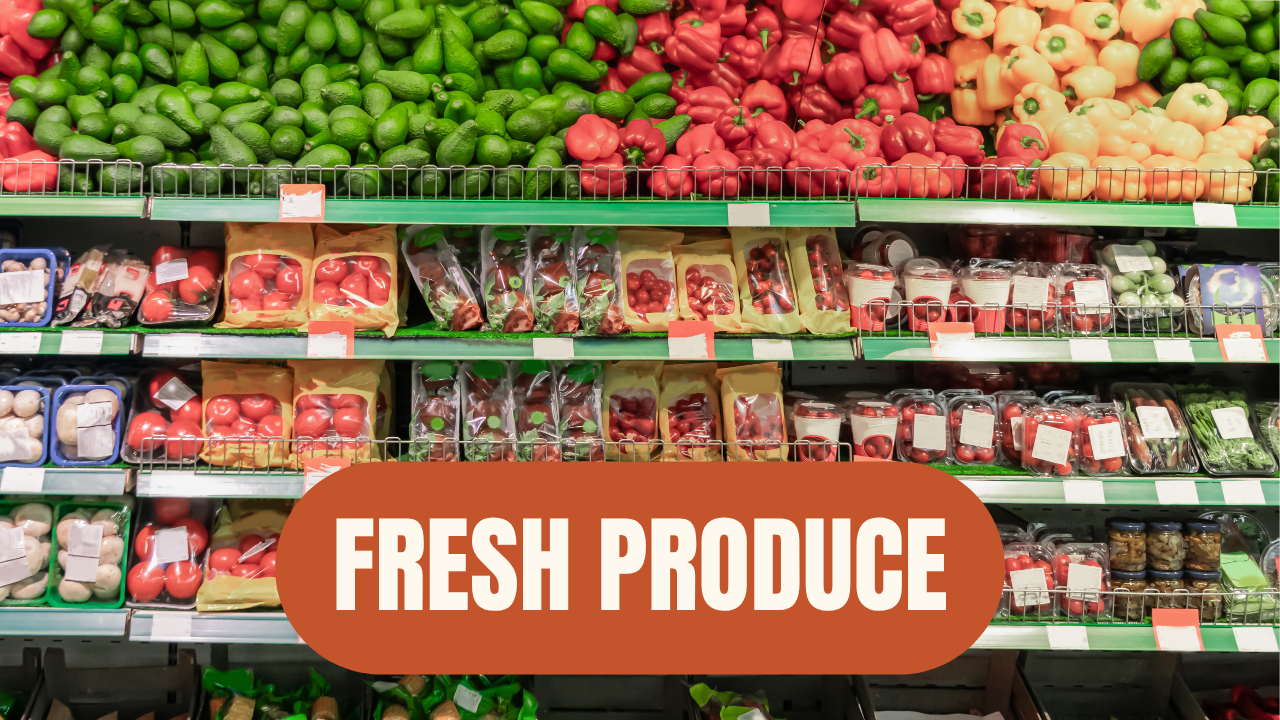
The comparison started with fruit and vegetables. Rob expected South Africa to win here. That seemed likely. Much of the produce is local. The climate supports farming. There is less distance to travel for many items.
Some of that proved true.
Onions were more expensive in the UK. Peppers were too. Peaches were far cheaper in South Africa. Those results felt logical. Local produce should often cost less.
But then came a few surprises.
Mushrooms were cheaper in the UK. Avocados were also cheaper in the UK, even though South African avocados are locally grown and often better in quality. That early section showed one clear theme. Grocery prices do not always follow common sense. There was no neat pattern. One country did not dominate every item.
Meat & dairy were not simple either
Meat seemed like another category where South Africa should come out ahead. Rob expected steak to be cheaper there. That turned out to be true. South African steak was much cheaper. It was close to half the UK price in the comparison. That was one of the clearest wins for South Africa.
Bacon was also more expensive in the UK.
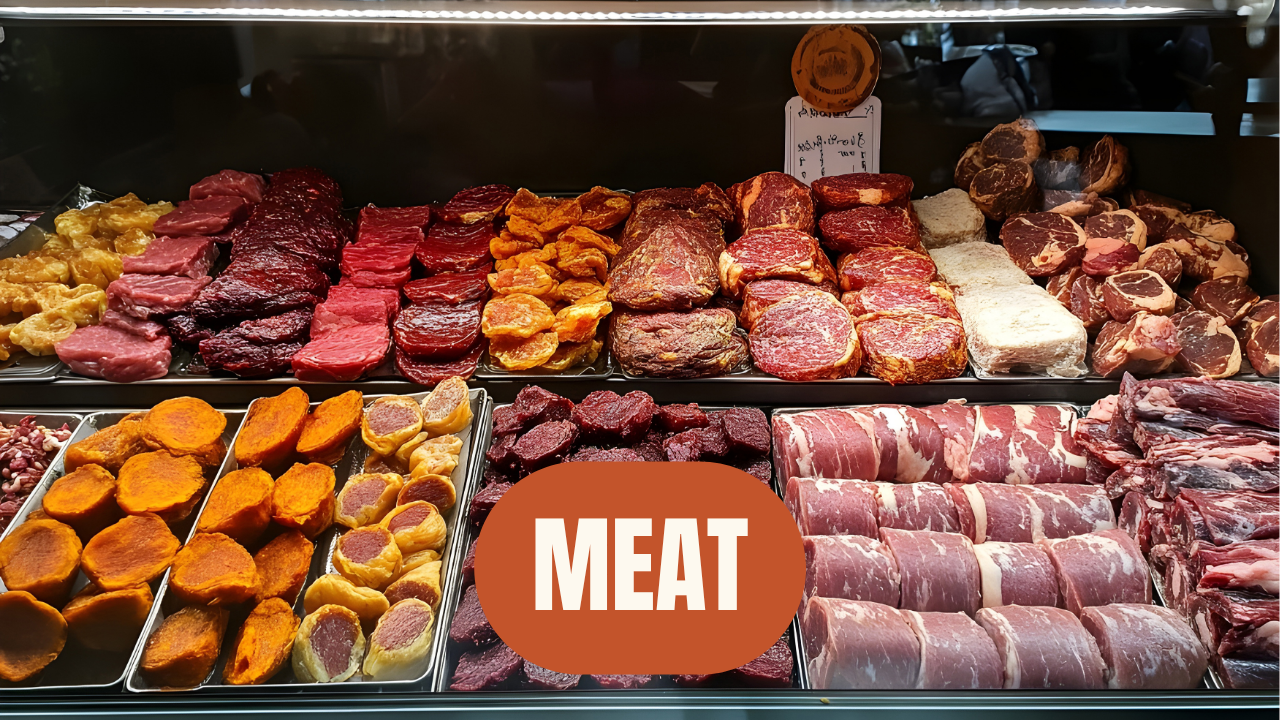
But minced beef created confusion. Regular minced beef was actually cheaper in the UK. Extra lean minced beef swung back the other way and cost more in the UK. Again, there was no clean rule. Each item had its own story.
Dairy added more surprises.
Milk costs more in the UK. Yoghurt did too. Those results supported the idea that South Africa still offers better value in some basic food items.
Then Parmesan changed the mood. It was much more expensive in South Africa. That made sense after a moment’s thought. Imported goods often cost more. Still, the size of the gap stood out. It was one of the first big warning signs that South Africa might not end up cheaper overall.
Imported goods pushed South Africa higher
This is where the comparison became more revealing.
Items like Pringles, coffee pods, Nescafé Gold, canned tomatoes, olive oil, and some cleaning products often cost more in South Africa. Many of these goods are imported or rely on imported supply chains. That matters. Once shipping, duties, and weaker currency pressure come into play, the final shelf price can rise fast.
Pringles were nearly twice the price in South Africa. Starbucks coffee pods were much cheaper in the UK. Nescafé Gold also costs far more in South Africa. A kilo of rice was cheaper in the UK. Olive oil showed one of the biggest shocks. It costs much more in South Africa. Dishwasher tablets were also far more expensive there.
These are not luxury goods in many homes. They are normal items. They sit in kitchen cupboards. They are part of daily life. That is why this result matters.
The old idea that South Africa is cheaper across the board does not hold up well when you move beyond a few obvious local strengths.
A few categories stayed close
Some items were almost the same in both countries. Spaghetti was nearly equal. Bread was very close. Shampoo was almost identical. Batteries ended up with only a tiny difference.
These close results are useful because they show this was not a one-sided story. The UK was not cheaper on everything. South Africa was not cheaper on everything either. The gap often came down to category, brand, and whether the product was local or imported.
That is what makes this comparison interesting. It feels real. Anyone who shops across two countries knows that some prices look absurd. Others look fair. Some feel the wrong way round.
That is exactly what happened here.
So which country was cheaper?
After all 44 items were added up, the UK came out cheaper overall. That was the biggest surprise of all. Rob went into the shop expecting South Africa to win. He finished the comparison with the opposite result.
That does not mean South Africa is now an expensive place in every sense. It is not. Some foods were still much cheaper there. Steak is a good example. Some parts of life also feel more valuable than in Britain. Travel experiences, views, and lifestyle perks can still be excellent for the money.
But this shop showed something important.
If you are buying a basket of mixed everyday goods, South Africa may not be as cheap as you think. That is especially true if your basket includes imported brands, packaged goods, coffee, household products, and pantry staples.
What travellers & long-stay visitors should take from this
This comparison is a useful reminder. Never build your picture of a country on one simple idea. South Africa can still be great value. It can also be more expensive than expected in key areas.
So if you are planning a trip, a winter stay, or a future retirement move, look beyond the holiday view. Check real prices. Compare local supermarkets. Think about what you actually buy each week. That will tell you far more than a travel brochure ever will.
Our shopping test was not scientific. It did not need to be. It was honest, simple, and practical. That is what makes it useful. Sometimes the best insights come from the normal things. A trolley. A shopping list. A receipt. And a result you did not see coming.